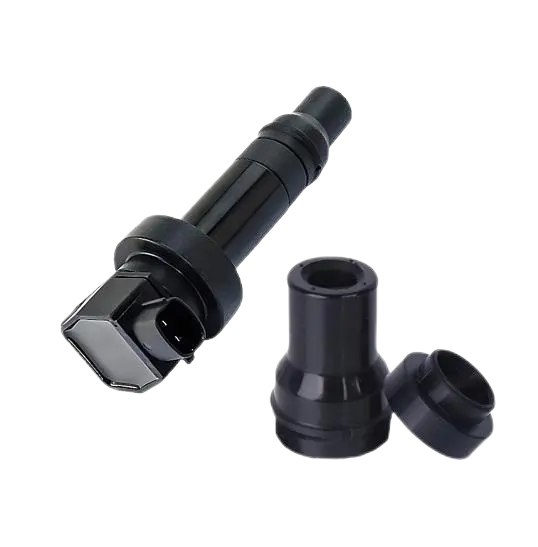
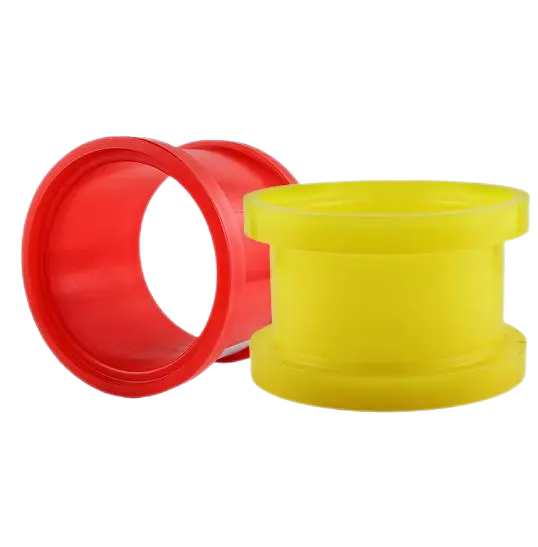
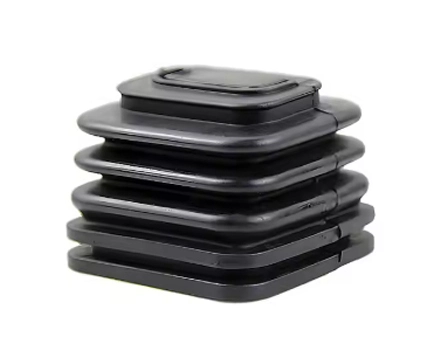
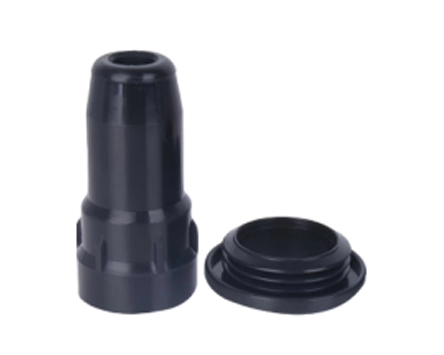
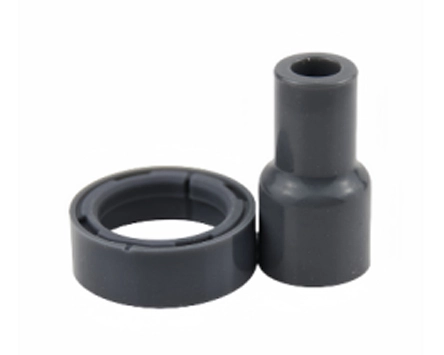
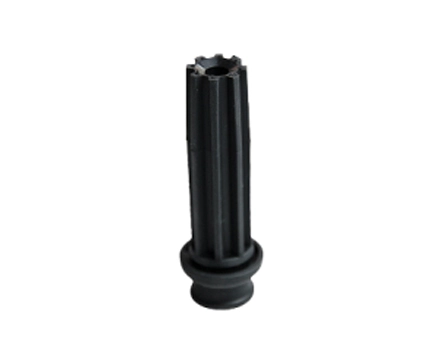
Ignition systems are the heart of any internal combustion engine, and at the center of this system lies a small but critical part — the Ignition Coil Boot. This component ensures a consistent path for high-voltage electricity from the ignition coil to the spark plug. When it fails, the result can be misfires, rough idling, decreased fuel efficiency, and in severe cases, engine stalling. In this article, we'll explore the most common causes of ignition coil boot failure and actionable prevention tips — with insight into Axis's high-performance ignition coil boots, precision-engineered for durability and reliability.
Extreme Heat and Thermal Degradation
The engine bay is an unforgiving environment, with temperatures frequently soaring beyond normal rubber or silicone material limits. Prolonged exposure to high heat causes ignition coil boot materials to harden, crack, and lose elasticity — weakening the part's ability to insulate against high voltage and protect against electrical leakage. This thermal breakdown allows voltage to arc to nearby engine components instead of the spark plug, leading to misfires and reduced performance.
Prevention Tips:
Use thermal-resistant materials: Our Axis Ignition Coil Boots are precision-molded from thermal-resistant Silicone rubber, designed to withstand sustained high temperatures without cracking or hardening.
Manage engine heat: Maintain a clean cooling system (radiator, thermostat, coolant levels) to reduce excessive heat buildup that can accelerate degradation.
Avoid unnecessary engine bay pressure washing: Moisture combined with heat promotes accelerated breakdown.
By choosing materials with superior heat resistance and thermal stability, Axis boots better maintain their dielectric strength, ensuring optimal spark delivery even under extreme conditions.
Moisture and Oil Contamination
Moisture and oil are among the most common enemies of ignition coil boots. When water or engine oil finds its way into the spark plug well, it compromises the boot's insulation, leading to short circuits and corrosion. Water intrusion can occur from engine washing, humid climates, or deteriorating seals, while oil contamination often comes from failing valve cover gaskets or worn seals around spark plug wells.
Prevention Tips:
Regularly inspect valve cover gaskets: Promptly replace worn or leaking gaskets to prevent oil from entering the spark plug area.
Seal and protect: Consider applying dielectric grease at the boot contact points to repel moisture and reduce corrosion risk.
Avoid water ingress: Be careful when cleaning the engine bay — avoid high-pressure washes around electrical components.
Axis Ignition Coil Boots are engineered with multi-layered insulation that not only prevents voltage leakage but also repels moisture, oil, and debris — greatly reducing the risk of contamination-related failure.
Electrical Stress and Voltage Leakage
Ignition coil boots carry extremely high voltages (often 20,000V or more) from the coil to the spark plug. Any increase in electrical resistance — due to worn spark plugs, incorrect plug gaps, or poor connections — forces the boot to handle higher loads than it's designed for. This can cause electrical tracking (carbon paths forming inside the boot), arcing, and eventual failure. オートパーツ+1
Prevention Tips:
Maintain correct spark plug gap and condition: Replace worn plugs on schedule and verify they are gapped to manufacturer specs.
Ensure good electrical connections: Tight, corrosion-free contacts between the boot, coil, and spark plug are essential.
Use high-quality boots: Inferior materials can deteriorate quicker under electrical stress.
Our Axis boots feature robust insulation that eliminates voltage leakage, reducing the risk of carbon tracking and ensuring that the full electrical charge reaches the spark plug consistently.
Mechanical Wear and Vibrations
Vehicle engines are constantly subjected to vibration and mechanical movement. Over time, this can cause the ignition coil boot to flex repeatedly, leading to tears, loosening around the plug, or separation from the ignition coil or spark plug itself. Additionally, rough handling during maintenance (e.g., replacing spark plugs) can damage the boot.
Prevention Tips:
Gentle maintenance practices: When servicing spark plugs or coils, use care to avoid tearing fragile boot material.
Check for secure fitment: Periodic inspection ensures boots haven't become loose or misaligned within the spark plug well.
Use vibration-damping designs: High-quality boots with structural reinforcement help resist fatigue.
Axis Ignition Coil Boots are designed with vibration resistance in mind, protecting the electrical connection from mechanical stress and helping extend coil life by up to 30% compared to standard boots.
Axis Ignition Coil Boots: A Better Protection Solution
At Axis, we understand that ignition coil boot failure can disrupt engine performance and lead to costly repairs. That's why our high-performance boots are meticulously engineered with:
Thermal-resistant Silicone rubber for heat endurance
Multi-layered insulation for superior dielectric performance
Moisture, oil, and vibration resistance for long-lasting reliability
Proven life extension up to 30% longer than standard boots
Investing in quality ignition coil boots is investing in smoother operation, better fuel efficiency, and improved engine reliability.