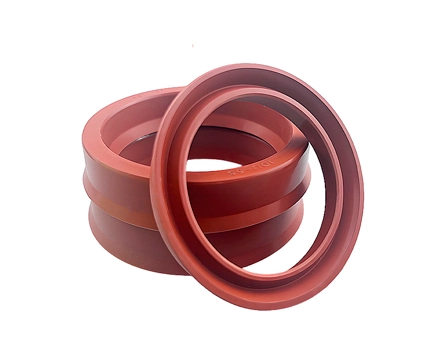
In the demanding world of modern automotive engineering, O-rings serve as critical components that prevent leaks, maintain pressure, and ensure the reliability of complex systems. With engines running hotter, fuels becoming more aggressive, and regulatory standards tightening, selecting the right elastomer isn't just a technical detail—it’s a fundamental engineering decision that impacts performance, longevity, and cost.
Automotive manufacturers face stringent requirements: seals must withstand extreme temperature fluctuations, exposure to synthetic oils, biofuels, refrigerants, and ozone-rich under-hood environments while delivering consistent performance over 150,000+ miles. This engineering selection guide compares two of the most widely used materials—NBR (Nitrile Butadiene Rubber) and HNBR (Hydrogenated Nitrile Butadiene Rubber)—providing clear insights for OEMs, Tier 1 suppliers, and design engineers.
What Are NBR and HNBR O-Rings?
NBR (Nitrile Rubber) Overview
NBR, also known as Buna-N, is a synthetic copolymer of acrylonitrile and butadiene. The acrylonitrile content typically ranges from 18% to 50%, directly influencing its oil resistance and low-temperature flexibility. Higher acrylonitrile levels improve fuel and oil resistance but reduce flexibility at lower temperatures.Key Advantages:
Excellent resistance to petroleum-based oils, greases, and fuels
Good mechanical strength and abrasion resistance
Cost-effective and widely available with mature manufacturing processes
Easy to compound and mold into complex geometries
Limitations:
Moderate temperature range, typically -30°C to +100°C continuous (short-term up to 120°C)
Poor ozone, UV, and weather resistance due to unsaturated polymer backbone
Susceptible to oxidative aging and cracking in hot, dry environments
Higher compression set at elevated temperatures
NBR remains the workhorse material for countless standard automotive sealing applications where conditions are moderate.
HNBR (Hydrogenated Nitrile Rubber) Overview
HNBR is produced by selectively hydrogenating the butadiene units in NBR, saturating most of the carbon-carbon double bonds. This chemical modification dramatically enhances thermal stability, oxidative resistance, and mechanical properties while retaining much of NBR's excellent oil resistance.Key Advantages:
Superior high-temperature performance: -40°C to +150°C (special grades up to 165-180°C)
Excellent ozone, UV, and aging resistance
Lower compression set and better long-term elasticity
Improved resistance to aggressive modern fuels and additives
Higher tensile strength and tear resistance
HNBR excels in high-performance automotive systems where reliability under harsh conditions is non-negotiable.
HNBR vs NBR O-Ring: Key Performance Comparison
Understanding the quantitative differences helps engineers make informed material selections. The table below summarizes critical properties for automotive applications.
Property
NBR
HNBR
Temperature Range (Continuous)
-30°C to +100°C
-40°C to +150°C
Oil & Fuel Resistance
Excellent
Excellent to Superior
Ozone Resistance
Poor
Excellent
Aging / Heat Resistance
Medium
Very High
Compression Set Resistance
Good
Excellent
Tensile Strength
Good
Very High
Relative Cost
Low
Medium to High
Typical Automotive Use
Standard systems
High-performance & EV systems
These differences become critical in modern vehicles with turbochargers, high-pressure direct injection, and electrified powertrains generating higher localized temperatures.
Automotive Applications of NBR and HNBR O-Rings
NBR Applications in Automotive
NBR O-rings deliver reliable performance in many conventional applications:
Fuel system seals in low-to-medium pressure lines and filters
Power steering and transmission low-pressure oil seals
HVAC system O-rings for refrigerant circuits
Brake system components (non-mineral oil)
General under-hood grommets and static seals
Its cost-effectiveness makes NBR ideal for high-volume, less demanding positions where service temperatures rarely exceed 100°C.
HNBR Applications in Automotive
HNBR shines in mission-critical, high-stress environments:
Engine timing belt covers and camshaft seals
Turbocharger oil and coolant seals
High-pressure fuel injection systems
EV battery thermal management and coolant seals
Shock absorber and suspension hydraulic seals
Transmission output shaft seals in high-heat zones
How to Choose Between HNBR and NBR O-Rings?
Key Selection Criteria
Engineers should evaluate several factors systematically:
Temperature Profile: Peak and continuous operating temperatures, including hot-soak conditions after shutdown.
Media Exposure: Type of oils, fuels (including ethanol blends), coolants, and additives.
Service Life Expectations: Warranty periods and target durability in miles or hours.
Dynamic vs Static Application: Movement, vibration, and pressure cycling.
Cost vs Performance Trade-off: Total cost of ownership including warranty claims and downtime.
Engineering Decision Matrix
Application Condition
Recommended Material
Rationale
Low cost, moderate temperatures, standard oils
NBR
Excellent value and proven reliability
High heat zones (>120°C), turbo or engine proximity
HNBR
Superior thermal stability and longevity
Long-life OEM systems, EV thermal management
HNBR
Reduced compression set and aging
General static sealing, cost-sensitive applications
NBR
Balanced performance at lower price point
Common Failure Modes in Automotive O-Rings
Understanding how seals fail helps prevent costly field issues:
Thermal Aging & Cracking (NBR): Chain scission and hardening leading to surface cracks and eventual leakage.
Compression Set: Permanent deformation causing loss of sealing force, especially problematic in high-temperature environments.
Fuel Solvation & Swelling: Aggressive biofuels causing excessive swell or shrinkage depending on formulation.
Ozone Attack: Cracking in exposed or semi-exposed NBR components.
Extrusion & Nibbling: Under high pressure differentials in dynamic applications.
Axis Rubber Sealing Solutions for Automotive OEMs
Axis (Xi'an) Technology Co., Ltd. specializes in the research, development, and custom manufacturing of high-performance rubber sealing solutions. With years of focused expertise, Axis delivers precision-engineered components that meet the stringent demands of global automotive manufacturers.Our comprehensive product portfolio includes:
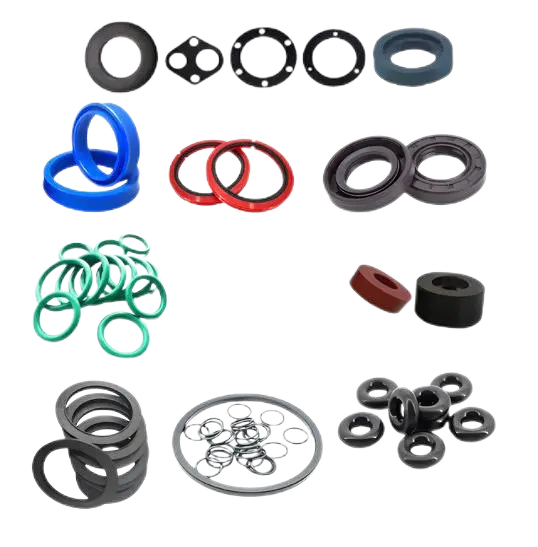
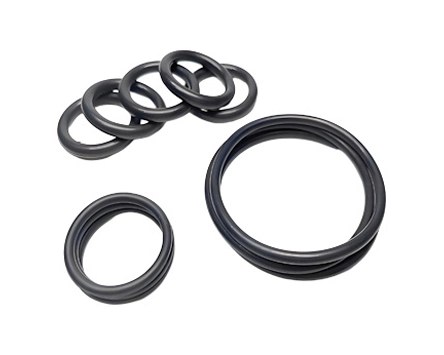
Custom NBR and HNBR O-rings in all standard and non-standard sizes
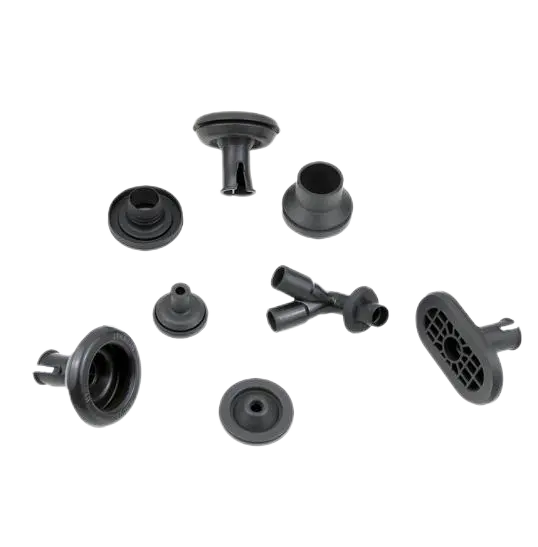
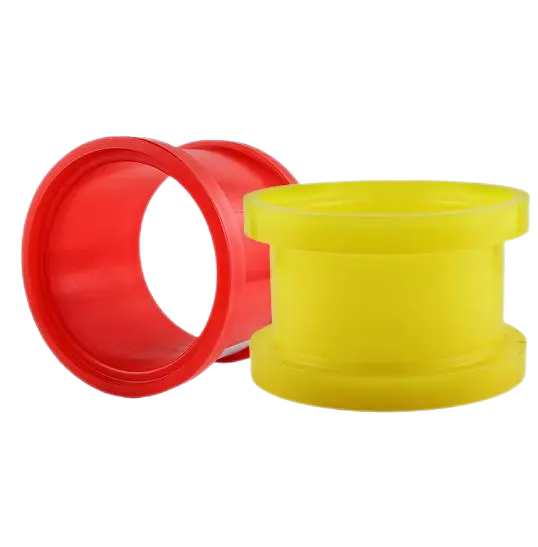
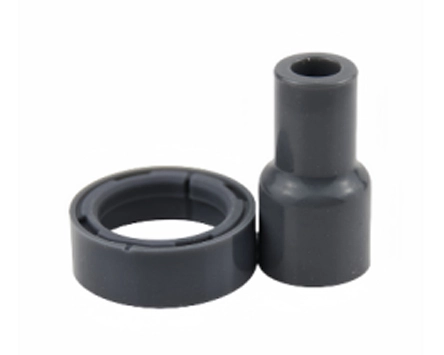
Rubber sleeves and protective boots
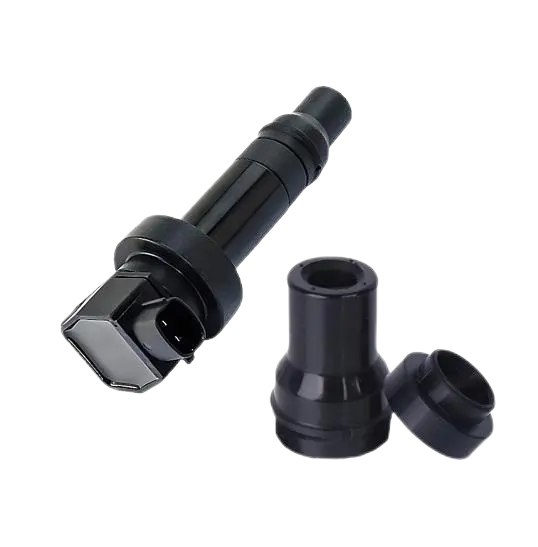
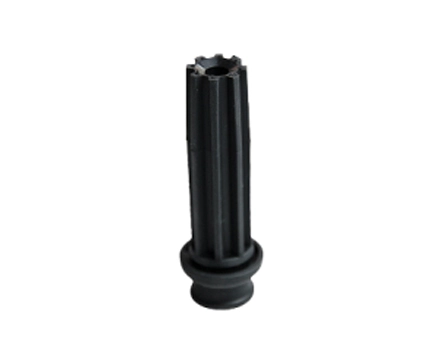
Engine ignition system sleeves and insulators
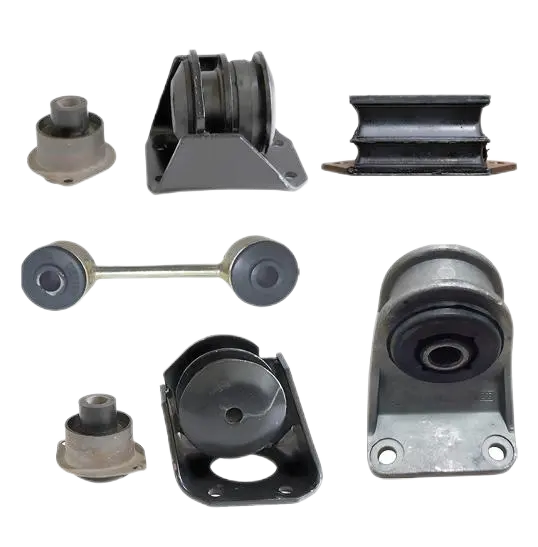
Shock absorber seals and hydraulic components
We proudly serve leading OEMs and Tier suppliers, including partnerships with BYD, Chery, Lingong, Liugong, and Honda motorcycle divisions. Our components contribute to the reliability of millions of vehicles worldwide.
Customization & Testing Capabilities
Axis offers full-spectrum material customization across NBR, HNBR, FKM, and other elastomers to meet exact application requirements. Our IATF 16949 and ISO certified quality system ensures consistent excellence.Key testing capabilities include:
Test Item
Standard
Purpose
Oil & Fuel Resistance
ASTM D471
Volume change and property retention
Compression Set
ASTM D395
Long-term sealing force retention
Tensile Strength & Elongation
ASTM D412
Mechanical performance verification
Ozone Resistance
ASTM D1149
Environmental durability
Heat Aging
ASTM D573
Accelerated life simulation
Our engineering team works directly from OEM drawings to develop tailored solutions with rapid prototyping and validation testing.
Conclusion: Choosing the Right Material for Automotive Sealing
NBR delivers outstanding value as a cost-effective general-purpose solution for countless automotive sealing applications. HNBR represents the high-performance upgrade for demanding environments where extended service life, thermal stability, and resistance to aggressive media are essential.The optimal choice depends on specific engineering requirements rather than a blanket "better" material. By carefully matching material properties to application demands, manufacturers can achieve the ideal balance of performance, reliability, and cost.Contact the Axis engineering team today for expert consultation on your next OEM sealing project. Our specialists provide material recommendations, rapid prototyping, and full validation support to ensure your sealing systems exceed expectations.