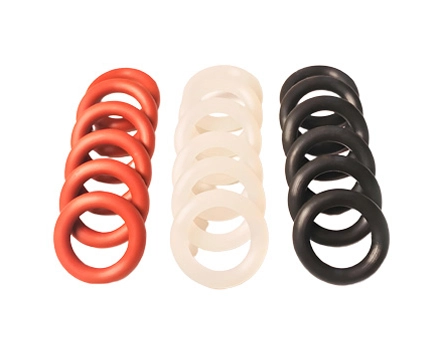
Oil seals are small but essential components used in rotating shaft systems. They help retain lubricating oil or grease inside mechanical equipment while preventing dust, moisture, and other contaminants from entering the system. In automotive, agricultural, construction, gearbox, pump, and motor applications, choosing the correct oil seal type can directly affect equipment reliability, leakage control, and maintenance cost. Among the most commonly used types are TB and TC oil seals, which may appear similar at first glance but serve distinct purposes depending on the application environment. Understanding their differences is essential for selecting the right seal for your machinery.
For users trying to understand the differences between TC oil seal and TC oil seal, the key point is simple: a TC oil seal usually has a double-lip design and a rubber-covered outer case, while a TB oil seal usually has a single sealing lip and a metal outer case.
A TC oil seal is a rotary shaft oil seal with a double-lip structure and a rubber-covered outer diameter. The primary lip helps retain oil or grease inside the equipment, while the secondary dust lip helps block external dirt, moisture, and contaminants. This design makes TC oil seals suitable for applications where both lubricant retention and contamination protection are important.
In practical use, TC oil seals are commonly selected for automotive systems, agricultural machinery, construction equipment, gearboxes, pumps, motors, and other rotating shaft applications exposed to dust, vibration, moisture, or changing working conditions.
When discussing what is a TC oil seal, it is important to understand its structure. A TC oil seal normally includes a main sealing lip, a secondary dust lip, a spring, and a rubber-covered outer case. The main lip contacts the rotating shaft and keeps lubricant inside the system. The dust lip provides additional protection by reducing the entry of dust, water, and small particles from outside.
The rubber-covered outside diameter also helps improve sealing between the oil seal and the housing bore. Compared with a metal-cased seal, this rubber layer can provide better static sealing and corrosion resistance, especially in moist or slightly rough housing environments.
Because of this structure, TC oil seals are widely used in working environments where leakage prevention and contamination resistance are both required. For more product details, you can refer to Axis Rubber's TC Oil Seal product page.
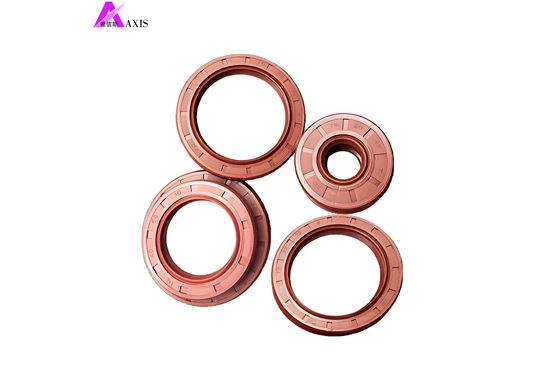
A TB oil seal is generally a single-lip rotary shaft seal with a metal outer case. Its main function is to retain lubricant in relatively clean working environments. Since it does not usually include an additional dust lip, it provides less contamination protection than a TC oil seal.
However, the metal outer case gives TB oil seals good mechanical rigidity. This makes them suitable for gearboxes, pumps, motors, and other equipment where the operating environment is relatively clean and the housing requires a firm metal-to-metal fit.
In many cases, TB oil seals are selected when the main concern is oil retention, cost control, and structural stability, rather than heavy dust or moisture protection.
The most important difference between TB and TC oil seals is their lip configuration and outer case design.
TC Oil Seals feature a dual-lip design—a primary sealing lip that retains lubricants and a secondary (outer) dust lip that blocks external contaminants like dirt and moisture. The outer case is typically rubber-coated, offering additional protection and a snug fit.
TB Oil Seals, on the other hand, have a single-lip design and a metal outer case without rubber coating. This makes them more rigid and suitable for applications where structural strength is prioritized over contamination protection.
Both TB and TC oil seals can be made with different rubber materials depending on the application. Common sealing lip materials include NBR and FKM. NBR is often used for general oil resistance, while FKM is selected for higher temperature or chemical resistance requirements.
In some automotive or industrial applications, material selection may also depend on shaft speed, operating temperature, lubricant type, pressure, and environmental exposure. For example, a seal used in a dusty agricultural machine may require a different structure and material from one used in a clean electric motor.
However:
TC seals are generally rubber-covered, enhancing corrosion resistance and sealing in rough or moist environments.
TB seals rely on a metal case, offering greater mechanical strength but less flexibility in harsh or corrosive environments.
Selection note: Buyers should not choose between TB and TC oil seals based only on appearance. The working environment, sealing medium, housing design, shaft condition, and contamination level should all be considered.
TC Oil Seals are ideal for dirty or dusty environments, such as agricultural machinery, construction equipment, and automotive engines, where contamination control is crucial. Their dual-lip design ensures longer service life and better protection, which is why many TC oil seal suppliers recommend them for demanding industrial applications.
TB Oil Seals are better suited for cleaner environments, such as gearboxes, pumps, and motors, where moderate sealing is sufficient and mechanical stress is a concern. Their metal casing provides durability under pressure but lacks the extra contamination barrier.
In short, TC oil seals are often chosen when reliability and contamination protection are priorities, while TB oil seals are often chosen when the application is cleaner and cost-efficiency or rigidity is more important.
Both types can handle a wide temperature range (typically -30°C to +200°C)The temperature range of both TB and TC oil seals depends mainly on the rubber material used for the sealing lip. For example, NBR is commonly used for general oil sealing applications, while FKM can support higher temperature and chemical resistance requirements.
TC seals tend to perform better in high-contamination or high-moisture environments.
TB seals are more robust in mechanically demanding setups but may allow ingress of fine particles due to the absence of a dust lip.
In terms of pressure and working condition, TC oil seals usually perform better where dust, dirt, or moisture may affect the sealing area. TB oil seals can be stable in mechanically demanding but cleaner systems, especially when a metal case is preferred. However, if the environment contains fine particles, water spray, mud, or heavy dust, the lack of a dust lip may reduce long-term sealing performance.
TC seals may be slightly more expensive due to their dual-lip design and rubber coating, but they often last longer in harsh conditions.
TB seals are cost-effective and easy to install, making them a good choice for low-contamination, high-speed applications.
| Comparison Point | TC Oil Seal | TB Oil Seal |
|---|---|---|
| Lip Design | Double-lip design: main sealing lip and dust lip | Single-lip design |
| Outer Case | Rubber-covered outer diameter | Metal outer case |
| Contamination Protection | Better protection against dust, dirt, and moisture | Moderate protection in cleaner environments |
| Typical Applications | Automotive systems, agricultural machinery, construction equipment, pumps, gearboxes, and industrial shafts | Motors, pumps, gearboxes, and cleaner mechanical systems |
| Best Choice When | Contamination protection and long-term reliability are important | Mechanical rigidity, cost control, and clean operating conditions are priorities |
| Related Product | TC Oil Seal | Custom oil seal options based on working conditions |
To choose the right oil seal, start by looking at the working environment. If the equipment operates in dusty, wet, dirty, or outdoor conditions, a TC oil seal is usually the safer choice because the dust lip adds extra protection. This is especially important for agricultural equipment, construction machinery, automotive components, and industrial systems exposed to contaminants.
If the equipment works in a cleaner environment, such as a motor, pump, or enclosed gearbox, a TB oil seal may be sufficient. Its metal outer case can provide good rigidity, and its simpler structure may help reduce cost in suitable applications.
Buyers should also consider the shaft size, housing bore, lubricant type, speed, temperature, and installation conditions. In many OEM or maintenance projects, choosing the correct oil seal type can help reduce leakage, extend equipment service life, and lower replacement frequency.
Axis Rubber provides different oil seal and rubber sealing solutions for automotive, industrial, agricultural, and machinery applications. If your project requires a double-lip structure with stronger contamination resistance, the TC Oil Seal page can provide more product information.
If you need to compare other oil seal structures, you can also review the TG Oil Seal page or explore the full Oil Seal product category for more sealing options.
A TC oil seal is a double-lip rotary shaft seal with a rubber-covered outer case. It is designed to retain lubricant and provide additional protection against dust, moisture, and external contaminants.
TC oil seal meaning usually refers to a rubber-covered, double-lip oil seal. The main lip seals oil or grease inside the equipment, while the secondary lip works as a dust lip to reduce contaminant entry.
Oil seal TC meaning describes the TC-type oil seal structure, which normally includes a double-lip sealing design and a rubber-coated outside diameter. It is commonly used where oil retention and contamination protection are both needed.
A TB oil seal is usually a single-lip oil seal with a metal outer case. It is suitable for cleaner working environments where contamination protection is less critical.
The main difference is the lip and case design. TC oil seals usually have two lips and a rubber-covered case, while TB oil seals usually have one lip and a metal outer case.
Choose TC oil seals for dusty, dirty, or moist environments. Choose TB oil seals for cleaner systems where mechanical rigidity, simple lubricant retention, and cost-efficiency are the main requirements.
Feature | TC Oil Seal | TB Oil Seal |
Lip Design | Dual-lip (seal + dust) | Single-lip |
Outer Case | Rubber-coated | Metal |
Contamination Protection | Excellent | Moderate |
Best For | Dusty, dirty, or moist environments | Clean, high-speed, or high-stress |
Common Applications | Agriculture, automotive, construction | Gearboxes, motors, pumps |
TB and TC oil seals both help prevent lubricant leakage in rotating shaft systems, but they are designed for different working conditions. TC oil seals provide better contamination protection because of their double-lip structure and rubber-covered case. TB oil seals are simpler, more rigid, and suitable for cleaner applications where external dust or moisture is less of a concern.
For most applications where dust, water, mud, vibration, or outdoor exposure may affect sealing performance, TC oil seals are often the better option. For cleaner gearboxes, pumps, motors, and controlled mechanical systems, TB oil seals can be a practical and cost-effective choice.
Choose TC oil seals when contamination is a concern and long-term reliability is key. Opt for TB oil seals in cleaner, high-speed environments where mechanical strength and cost-efficiency are priorities.
Making the right choice can significantly extend the life of your equipment and reduce maintenance costs over time.
Related Reading:
What are the differences between TC, SC, TF, and SF oil seals?