In hydraulic systems, O - rings play a crucial role in ensuring efficient and leak - free operation. Selecting the appropriate O - rings is essential as they are responsible for sealing fluid within the system, preventing external contaminants from entering, and maintaining the required pressure levels.
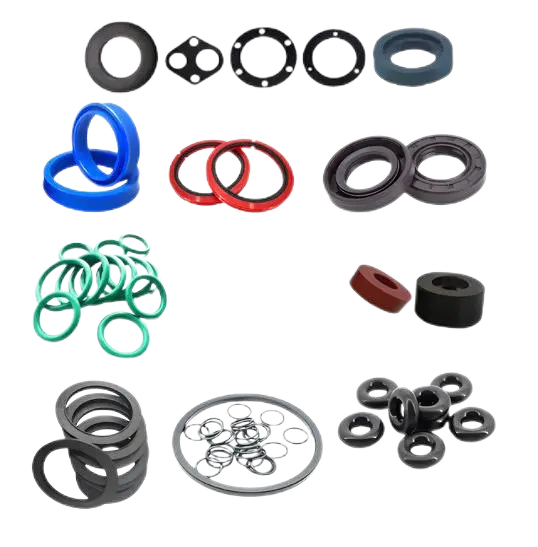
The most common type, standard O - rings, have a simple circular cross - section. They are widely used in a variety of hydraulic applications due to their versatility. They can be used for both static and dynamic sealing. In static applications, such as sealing between a stationary flange and a housing, they create a reliable seal. In dynamic applications, like sealing around a piston rod that moves back and forth in a hydraulic cylinder, they need to be able to withstand the movement and maintain the seal. However, in high - speed dynamic applications, standard O - rings may face challenges in terms of wear and tear.
Standard O - rings come in various standards, such as the AS568 published by the Society of Automotive Engineers (SAE), which is commonly used by American companies. It specifies inside diameters, cross - sections, tolerances, and size identification codes (dash numbers) for sealing applications and straight - thread tube fitting boss gaskets. Another standard is BS 1806, issued by the British Standards Institution, which lists all imperial standard sizes and includes the main cross - section groups in AS568 plus some additional sizes. Although it has been superseded by BS ISO 3601, it's still relevant for cross - reference in certain industries or regions. The ISO 3601, issued by the International Organization for Standardization, contains two groups of O - rings, Class A and Class B. Class A corresponds to the American standard AS 568B in its current format (excluding the 900 series tube fitting O - rings), and its size code is the same as the AS 568 dash number. Class B allows substitution of O-rings in technically acceptable and economical "metric" sizes.
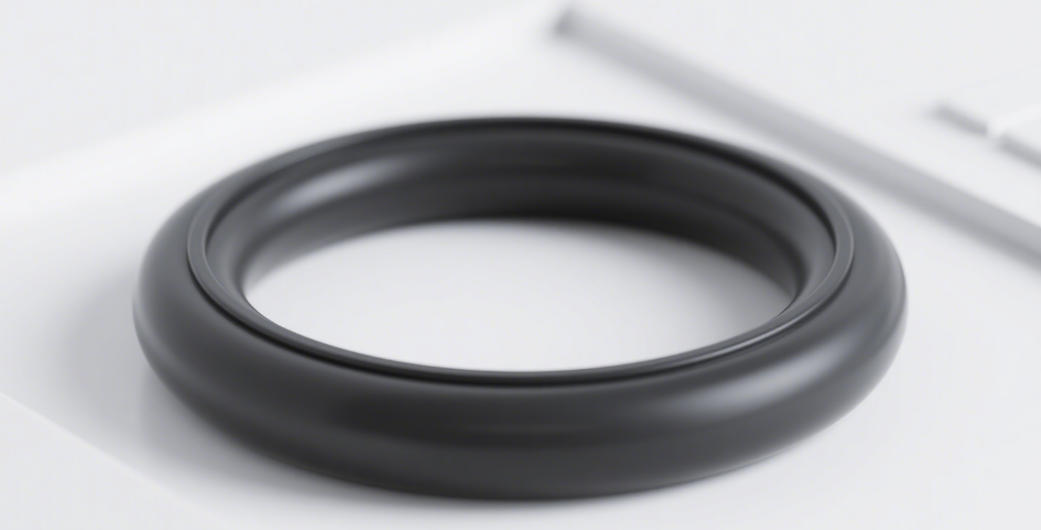
1. High - Pressure O - Rings
These are designed to withstand extremely high pressures. In hydraulic systems used in heavy - duty industrial machinery, such as hydraulic presses that can generate thousands of pounds per square inch of pressure, high - pressure O - rings are essential. They are often made with reinforced materials or have a special cross - sectional design. For example, some high - pressure O - rings may have a more complex shape with additional ribs or grooves to distribute the pressure evenly and prevent extrusion.
Materials for high - pressure O - rings include Buna (Nitrile), HNBR, EPDM, Aflas®, FKM, Viton®, FFKM, and Markez®. When choosing high - pressure O - rings, the correct material selection is key, and they can be used with or without backup rings. These O - rings are needed in a wide range of industries, including OEM manufacturing, aerospace, military, food, beverage, fluid power, supply chain, and transportation.

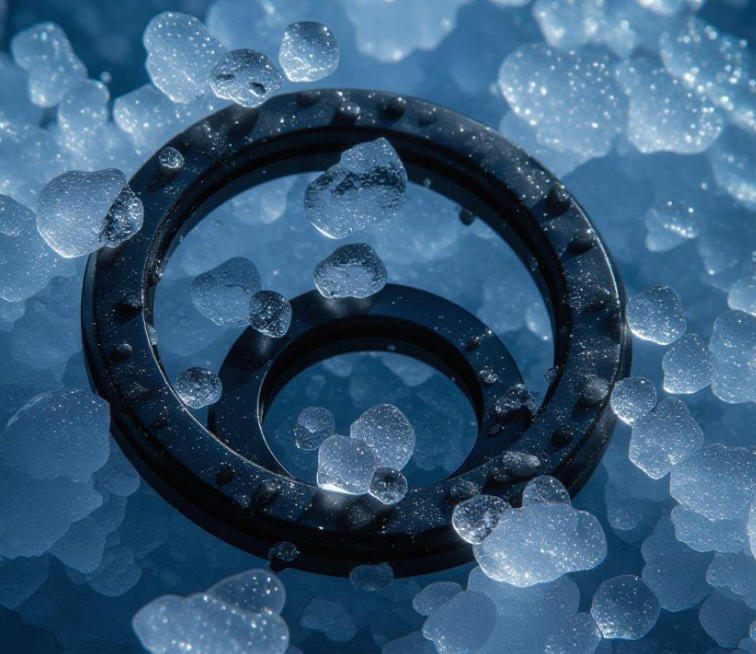
1. Low - Temperature O - Rings
Hydraulic systems operating in cold environments, like those in Arctic oil rigs or refrigeration equipment, require low - temperature O - rings. These O - rings are made from materials that remain flexible at extremely low temperatures. If an O - ring becomes brittle in cold conditions, it can crack and cause leaks in the hydraulic system. Materials such as special grades of silicone rubber are often used for low - temperature O - rings.
For example, Parker's polychloroprene rubber (CR) O - rings can operate down to approximately - 40 °C (- 40 °F) and up to 121 °C (250 °F), and they are compatible with oils, gases, refrigerants, ammonia, and carbon dioxide. Yoson manufactures low - temperature O - rings with a temperature range of about - 45 °C to 120 °C, which provide moderate oil, grease, and chemical resistance. These O - rings are available in multiple specifications, such as cross - section diameter O - rings typically made from silicone materials, PU low - temperature O - rings with different hardness capabilities, and food - grade silicone O - rings that are ISO 9001, RoHS, and FDA - certified.
1. Chemical - Resistant O - Rings
When the hydraulic fluid or the surrounding environment contains chemicals that could degrade a regular O - ring, chemical - resistant O - rings are used. In the chemical processing industry, where hydraulic systems may come into contact with acids, alkalis, or solvents, these O - rings are crucial. Fluoropolymer - based O - rings are highly resistant to a wide range of chemicals and are commonly used in such applications.
Chemical - resistant O - rings are made from various materials, including Buna (Nitrile), FKM, FFKM, Viton®, EPR (EPM), silicone, Kalrez®, Chemraz®, Simriz®, highly saturated nitrile (HSN), PTFE (Teflon®), neoprene, and urethane. Rocket Seals can help select the right material for specific chemical - resistant applications, considering compatibility with substances from acetaldehyde to zirconium nitrate. These O - rings are used in industries such as OEM manufacturing, aerospace, military, food, beverage, fluid power, and transportation.
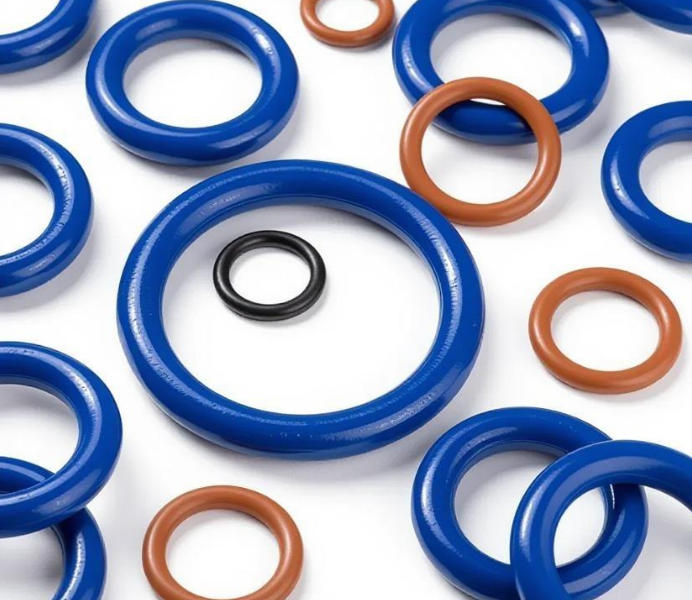
Nitrile rubber is one of the most widely used materials for O - rings in hydraulic systems. It offers excellent resistance to hydraulic oils, making it suitable as an O-ring for hydraulic oil in general hydraulic applications. NBR O - rings can operate in a temperature range of approximately - 35 °C to + 120 °C. They have good compression set resistance, which means they can maintain their shape and sealing ability even after being compressed for long periods. Additionally, they possess high tear resistance and abrasion resistance, which is beneficial in applications where the O - ring may experience mechanical stress. For example, in the hydraulic systems of construction equipment like excavators, where the O - rings are subject to constant movement and potential abrasion, NBR O - rings are a popular choice.
However, NBR has its limitations. It has limited compatibility with some substances, such as naphthalene - based mineral oil, low - molecular - weight aliphatic hydrocarbons, and glycol - based brake fluids. It is also not compatible with aromatic hydrocarbons, chlorinated hydrocarbons, and polar solvents.
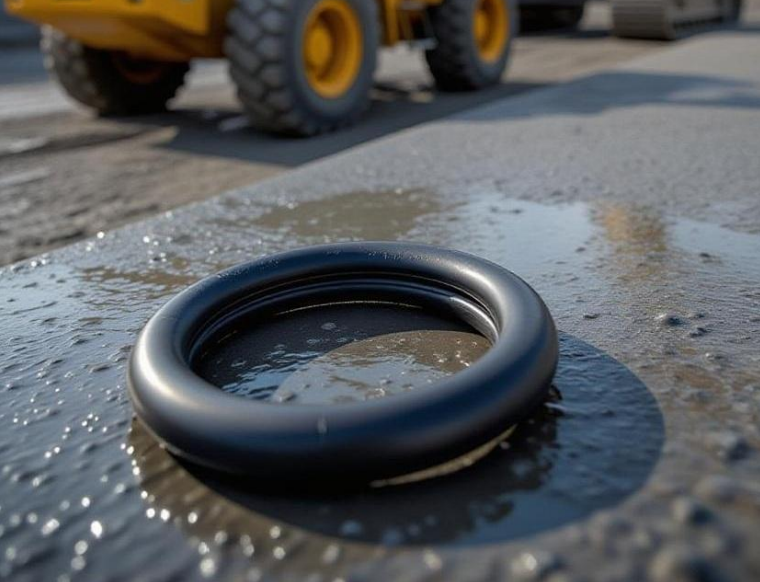
FKM O - rings are known for their exceptional resistance to high temperatures, greases, fuels, and a wide range of chemicals. They can withstand temperatures up to 250 °C or even higher in some cases. This makes them ideal for applications in the aerospace industry, where hydraulic systems need to operate under extreme conditions. In aircraft hydraulic systems, which are exposed to high temperatures during flight and may come into contact with aviation fuels, FKM O - rings ensure reliable sealing.
For instance, some FKM O - rings can resist aggressive chemicals like zinc bromide and methanol, as well as aliphatic and aromatic hydrocarbons. They also have very good ozone, weather, and aging resistance. However, FKM O - rings are relatively more expensive compared to NBR O - rings, which may limit their use in cost - sensitive applications. They are also not compatible with glycol - based brake fluids, ammonia gas, amines, alkalis, superheated steam, and low - molecular - weight organic acids.
Silicone rubber O - rings are valued for their excellent performance in both high and low - temperature environments. They can operate in a temperature range from - 60 °C to + 230 °C. Silicone O - rings also have good resistance to ozone, ultraviolet light, and weathering, making them suitable for outdoor hydraulic applications. In addition, they are non - toxic and have good biocompatibility, which is important in applications such as food and beverage processing equipment, where hydraulic systems may come into contact with products.
For example, in the hydraulic systems of bottling machines in a food factory, silicone rubber O - rings are used to ensure the safety and integrity of the products. They can withstand the harsh conditions of the food and beverage industry while maintaining their sealing properties.
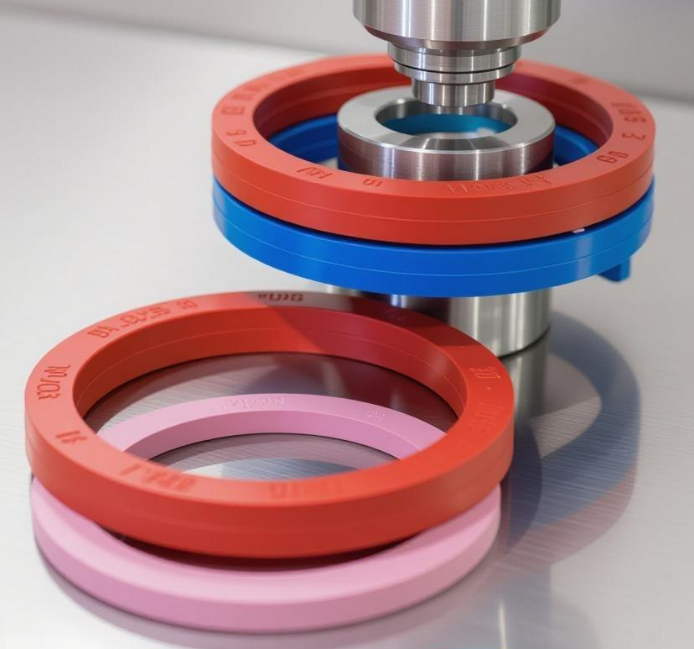
EPDM O - rings, including EPDM rubber rings, offer outstanding resistance to water, steam, and many chemicals, especially acids and alkalis. They have excellent heat resistance and can operate in a temperature range of - 50 °C to + 150 °C. EPDM is also highly resistant to ozone and ultraviolet light, making it suitable for outdoor and automotive applications. In automotive cooling systems, which use a mixture of water and coolant, EPDM O - rings are used to seal the hydraulic components. They prevent leaks and ensure the proper circulation of the coolant to keep the engine at the right temperature.
In the chemical processing industry, EPDM O - rings can resist a variety of chemical substances, protecting the hydraulic system from corrosion and ensuring its long - term operation.
When choosing the right O - ring for a hydraulic system, it is essential to consider factors such as the operating temperature, pressure, the type of hydraulic fluid used, and any chemical or environmental factors that may affect the O - ring's performance. By carefully evaluating these factors and selecting the appropriate O - ring type and material, hydraulic system designers and operators can ensure the long - term reliability and efficiency of their systems.