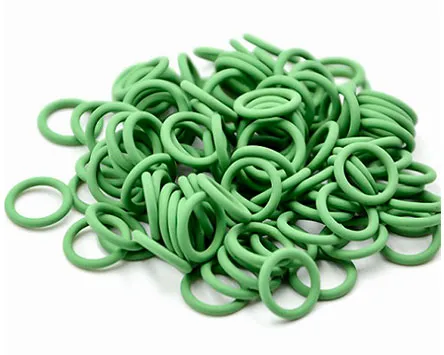
What is an O-Ring and Why Material Selection Matters in Industrial Sealing
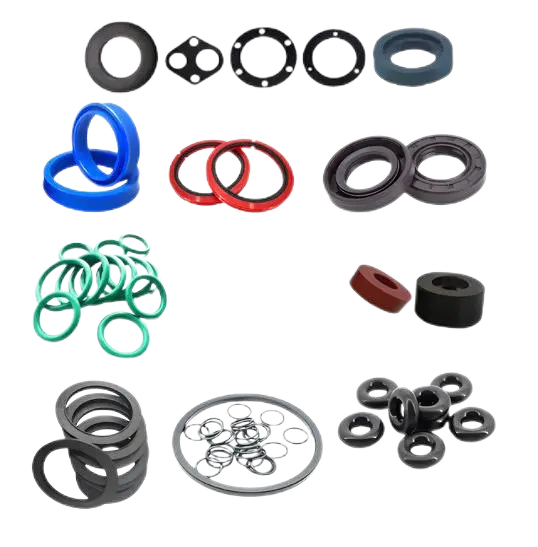
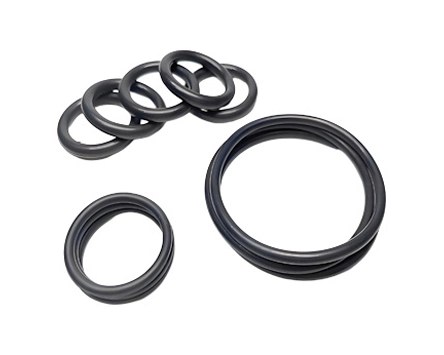
O-rings are among the most ubiquitous yet critical components in modern engineering. These simple toroidal seals, typically made from elastomeric materials, play a vital role in preventing fluid or gas leakage in countless industrial applications. Whether in static or dynamic sealing environments, an O-ring creates a reliable barrier by being compressed between two surfaces, filling microscopic irregularities and maintaining contact pressure even under varying conditions. The effectiveness of an O-ring depends almost entirely on its material composition. Factors such as operating temperature, exposure to chemicals, pressure levels, and environmental conditions dictate which elastomer will deliver optimal performance and longevity. Selecting the wrong material can lead to premature failure, costly downtime, equipment damage, and safety risks—issues that B2B procurement teams and engineers aim to avoid at all costs. In high-stakes industries like automotive, oil & gas, construction machinery, and chemical processing, the choice between materials like FKM (Viton) and EPDM can mean the difference between reliable operation and frequent maintenance. This comprehensive comparison explores their properties, applications, and selection criteria to help you make informed decisions.
What is EPDM Rubber? Properties and Performance Overview
EPDM, or Ethylene Propylene Diene Monomer, is a versatile synthetic rubber widely valued for its excellent resistance to environmental factors. Developed through the polymerization of ethylene, propylene, and a small amount of diene monomer, EPDM offers a balanced profile that makes it ideal for many non-oil-based applications.
Key Advantages of EPDM O-Rings:
Superior Weather Resistance: Exceptional tolerance to UV radiation, ozone, and extreme outdoor weathering, making it a go-to for exposed applications.
Water and Steam Compatibility: Outstanding resistance to hot water, steam, and polar fluids like dilute acids and alkalis.
Low-Temperature Flexibility: Maintains elasticity down to -40°C or lower in specialized grades.
Cost-Effectiveness: Generally more affordable than fluorinated elastomers, ideal for high-volume production.
However, EPDM has notable limitations. It performs poorly with petroleum-based oils, fuels, and many solvents, swelling or degrading rapidly in hydrocarbon environments. Its upper temperature limit typically ranges from 120°C to 150°C continuous, depending on the curing system (sulfur vs. peroxide).
EPDM Basic Performance Overview Table
Property
Typical Value
Temperature Range
-40°C to +150°C
Hardness (Shore A)
40-90
Oil Resistance
Poor
UV/Ozone Resistance
Excellent
Water/Steam Resistance
Excellent
What is FKM (Viton) Rubber? High-Performance Fluoroelastomer Explained
FKM, commonly known by the brand name Viton, is a fluoroelastomer characterized by strong carbon-fluorine bonds. This fluorinated structure provides unmatched performance in demanding environments where standard rubbers would quickly fail.
Core Advantages of FKM O-Rings:
Exceptional High-Temperature Resistance: Continuous operation up to 200-250°C, with short-term spikes even higher in specialized compounds.
Broad Chemical Compatibility: Superior resistance to oils, fuels, solvents, acids, and many aggressive chemicals.
Low Compression Set: Maintains sealing force over extended periods, even under heat and pressure.
Reliability in Extreme Conditions: Ideal for automotive engines, chemical processing, and aerospace applications.
Limitations include higher cost and relatively poorer performance in low temperatures or with certain polar solvents like ketones and amines compared to EPDM. Low-temperature grades can extend flexibility, but standard FKM starts around -20°C.
FKM vs EPDM O-Ring: Comprehensive Performance Comparison Table
Understanding the side-by-side differences helps engineers quickly identify the right material for their specific needs.
Property
EPDM O-Ring
FKM (Viton) O-Ring
Temperature Range
-40°C to +150°C
-20°C to +250°C
Oil Resistance
Poor
Excellent
Fuel Resistance
Poor
Excellent
Water/Steam Resistance
Excellent
Good
Chemical Resistance
Good (polar chemicals)
Excellent (wide range)
UV/Ozone Resistance
Excellent
Good
Cost
Low
High
Engineering Selection Conclusions
EPDM is the economical choice for water systems, outdoor sealing, and non-hydrocarbon environments.
FKM delivers superior longevity in high-temperature, oil, fuel, and chemical exposure applications.
Application Scenarios: When to Use EPDM vs FKM O-Rings
Automotive Industry
In vehicles, EPDM shines in cooling systems, brake fluid lines, and weatherstripping where exposure to water and outdoor elements dominates. FKM is preferred for engine seals, fuel injection systems, and transmission components where heat and oil are constant challenges.
Construction Machinery & Hydraulics
Hydraulic systems in excavators and loaders often demand FKM for its ability to handle high pressures, temperatures, and hydraulic fluids without swelling or degradation.
Oil & Gas Industry
FKM is virtually mandatory here due to aggressive hydrocarbons, high temperatures, and corrosive media. EPDM would fail rapidly in these conditions.
Household Appliances
Washing machines, dishwashers, and water heaters benefit from EPDM's cost-effective water and steam resistance.
How to Choose Between FKM and EPDM O-Rings (Engineering Selection Guide)
Follow this structured decision-making process:
Identify the Sealed Medium: Water/steam → EPDM. Oil/fuel/solvents → FKM.
Assess Temperature Requirements: Below 150°C and non-oil → EPDM. Above 150°C or with hydrocarbons → FKM.
Check Compliance: Ensure adherence to standards like ISO 3601, ASTM D2000, and OEM specifications.
A decision tree flowchart (visualize as: Medium → Temp → Cost/Compliance) can streamline team decisions.
Key Engineering Factors Beyond Material Selection
Material is just the start. Consider compression set (resistance to permanent deformation), durometer (hardness typically 70 Shore A for O-rings), dimensional tolerances, and dynamic vs. static use. Standards like ISO 3601 ensure interchangeability and quality. Laboratory testing for swell, aging, and extrusion resistance is essential for validation.
Why Choose AXIS Rubber Seals for FKM and EPDM O-Rings
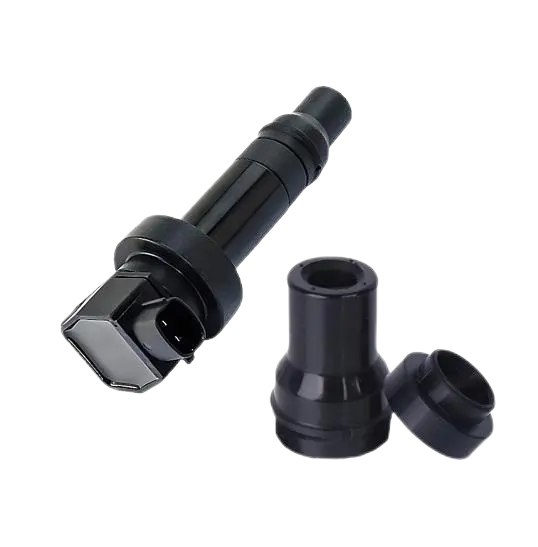
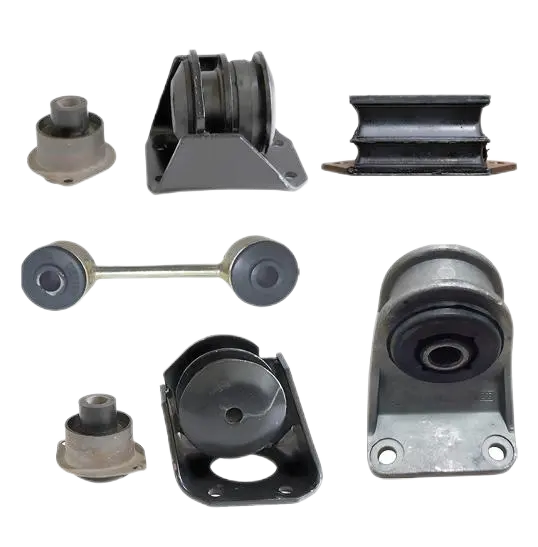
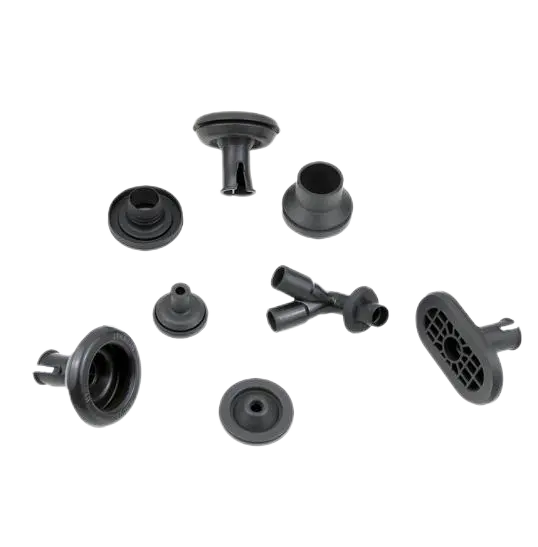
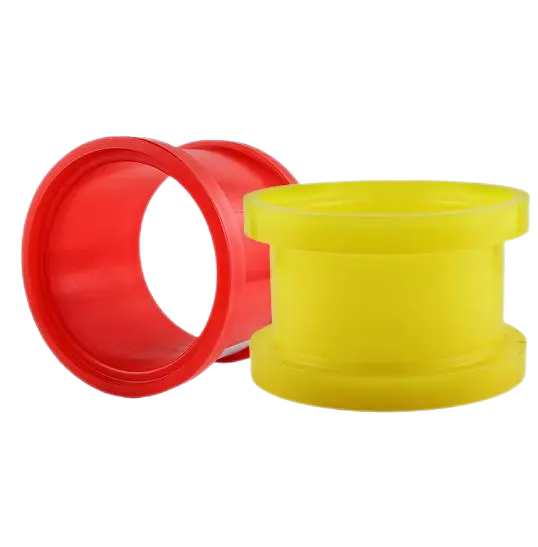
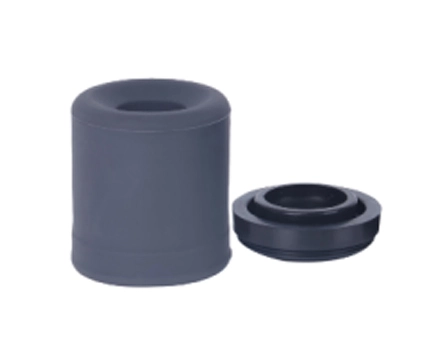
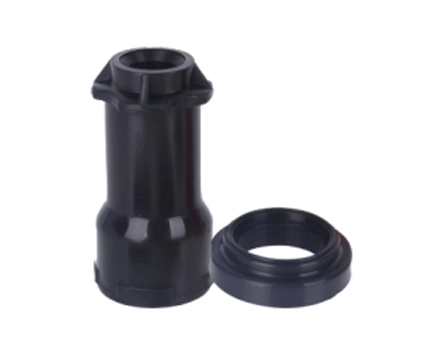
AXIS (Xi’an) Technology Co., Ltd. stands as a trusted partner with over 20 years of expertise in custom rubber sealing solutions. Our vertically integrated capabilities—from R&D and material formulation to precision manufacturing—ensure consistent quality and rapid response to customer needs. We proudly serve major OEMs including BYD, Chery, Liugong, Lingong, Haojue Suzuki, and Wuyang Honda. Our product portfolio includes O-rings, custom seals, shock absorbers, and sleeves in FKM, EPDM, NBR, and more.
Full customization: material compounds, dimensions, and performance tailored to exact working conditions.
Advanced testing facilities for temperature, chemical, and mechanical validation.
Automated production for superior consistency and competitive pricing.
Conclusion: Choosing the Right Rubber Material for Long-Term Reliability
The decision between FKM and EPDM O-rings ultimately hinges on matching material properties to operational demands. EPDM provides an economical, weather-resistant solution for water and outdoor systems, while FKM delivers premium performance for high-temperature and chemical-intensive environments. At AXIS Rubber Seals, we combine deep engineering knowledge with manufacturing excellence to deliver tailored sealing solutions that enhance equipment reliability and reduce total ownership costs. Ready to optimize your sealing performance? Contact our team today for expert material recommendations, custom prototypes, or a comprehensive O-ring selection guide.