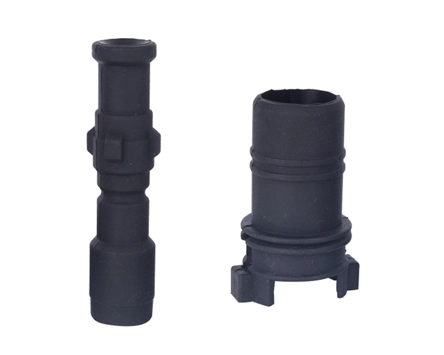
In the sealing industry, choosing the right material is a balancing act between performance and cost. For engineers and procurement managers, the debate often comes down to the two most popular "oil-resistant" rubbers on the market: Nitrile (NBR) and Fluoroelastomer (Viton®/FKM).
Both materials are industry staples for sealing oils and fuels, yet their price points and performance limits are vastly different. Choosing the wrong o-ring can result in frequent maintenance cycles or immediate seal failure under high heat. Conversely, over-specifying a material can unnecessarily drive up production costs.
At Axis (Xi'an) Technology Co., Ltd, with over 20 years of manufacturing experience, we produce millions of seals annually. We know that the "best" material isn't always the most expensive one—it's the one that fits your specific operating environment. This guide provides a detailed comparison of the NBR O-RING versus the Viton O-Ring to help you make the right decision for your application.
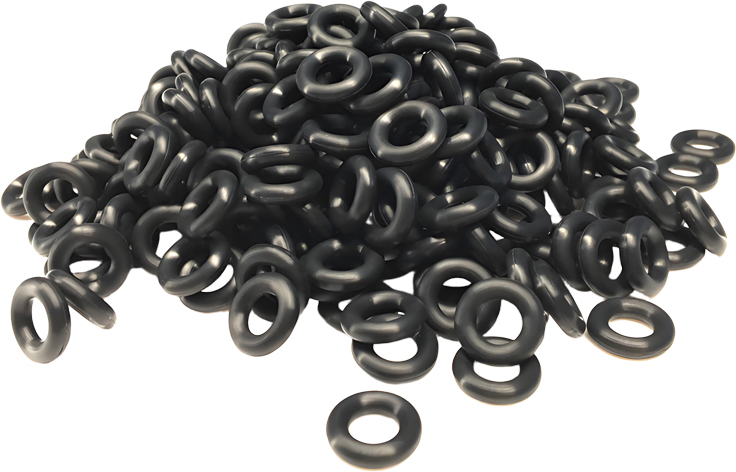
Standard black NBR O-Rings (Nitrile rubber) for general industrial use
NBR, commonly known as Nitrile or Buna-N, is the workhorse of the rubber sealing world. It is a copolymer of butadiene and acrylonitrile. An NBR O-RING is widely regarded as the standard solution for general-purpose sealing because of its excellent mechanical properties and affordability.
Key Characteristics:
· Cost: Very economical (one of the lowest-cost elastomers).
· Abrasion Resistance: Excellent. NBR is tough and resists tearing better than many other rubbers.
· Primary Use: Sealing standard petroleum oils, hydraulic fluids, and water in environments that are not exposed to extreme heat or sunlight.
As a NBR O-RING manufacturer, Axis Rubber ensures consistent quality and dependable performance in every seal.
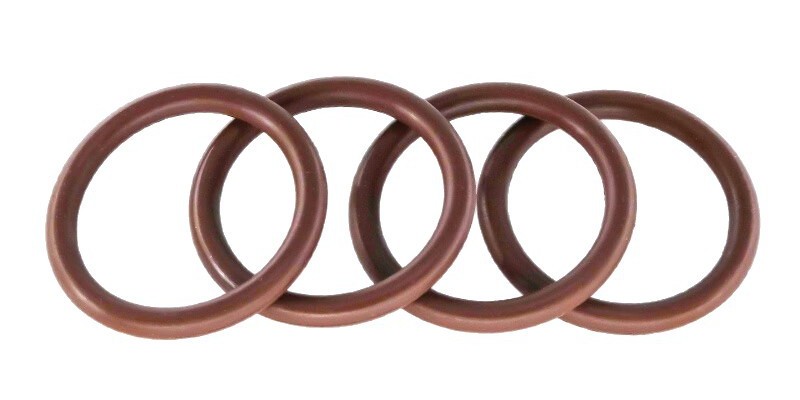
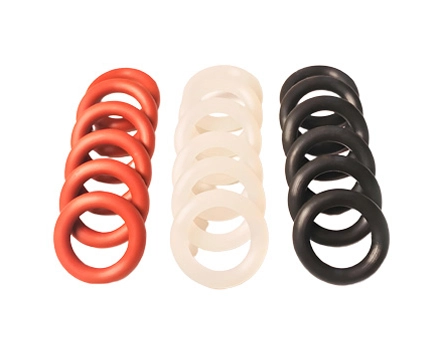
High-performance Viton O-Rings (FKM) in brown and green colors
Viton is a brand name for FKM (Fluoroelastomer). It is a high-tech synthetic rubber designed for demanding environments. A Viton O-Ring offers a higher density and a much stronger chemical structure than NBR. It is the go-to choice when seals must survive where standard rubber would turn brittle or dissolve.
Key Characteristics:
· Cost: Higher price point (typically 5x to 10x the cost of NBR).
· Temperature: Superior high-heat resistance.
· Primary Use: Aerospace engines, automotive fuel systems, and chemical processing plants involving aggressive fluids.
To understand which o-ring is better for you, we must compare them head-to-head across three critical categories: Temperature, Chemical Resistance, and Weathering.
Temperature Range
· NBR O-RING: Typically operates between -35°C and +120°C (-31°F to +248°F). While it handles standard operating temperatures well, it will harden and crack if exposed to heat above 120°C for extended periods.
· Viton O-Ring: Designed for heat. It operates effectively from -20°C to +250°C (-4°F to +482°F). In an engine compartment or industrial oven, Viton maintains its seal long after NBR has failed.
Chemical Resistance (Oil & Fuel)
Both materials are "oil resistant," but to different degrees.
· NBR: Excellent for standard petroleum oils, greases, and hydraulic fluids. However, it struggles with biodiesel and fuels with high ethanol content.
· Viton: Offers universal resistance. It handles standard oils plus biodiesel, sour gas, transmission fluids, and many acids that would destroy NBR.
Environmental Weathering (Ozone & UV)
· NBR: Poor. An NBR O-RING should not be used in direct sunlight or exposed to ozone (like near electric motors), as it will degrade and crack quickly.
· Viton: Excellent. It is highly resistant to UV light, ozone, and atmospheric ag
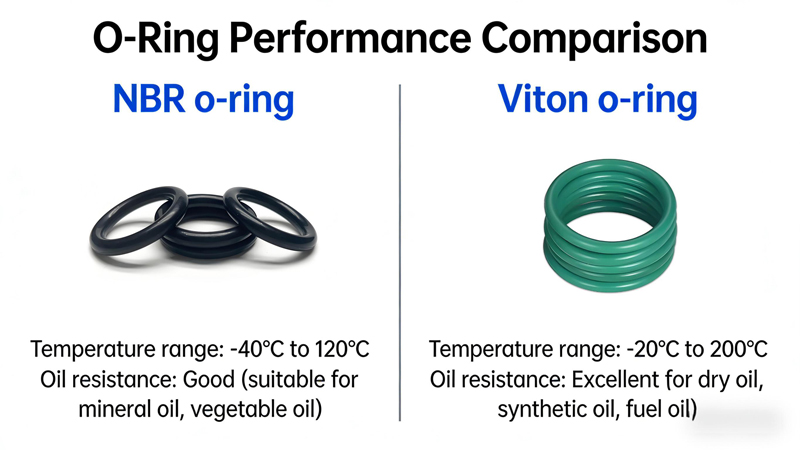
Comparison chart of Viton vs NBR O-Ring properties
Do not underestimate the NBR O-RING. Despite being cheaper, it is often the superior choice for mechanical applications due to its tear resistance. You should choose NBR if:
1. Cost is a Priority: For high-volume production where unit cost matters, NBR is unbeatable.
2. General Hydraulics & Pneumatics: For standard hydraulic cylinders and air systems operating indoors.
3. Low-Temperature Applications: Standard NBR performs better in the cold (-35°C) than standard Viton (-20°C).
4. High Abrasion Areas: If the seal involves dynamic movement (like a piston), NBR's toughness helps it resist wear better than standard FKM grades.
You should upgrade to a Viton O-Ring when the operating conditions exceed the safe limits of NBR. Choose Viton if:
1. Extreme Heat: The application involves temperatures consistently above 120°C (e.g., turbochargers, engine heads).
2. Biodiesel or Ethanol: Modern fuels contain additives that can swell NBR seals. Viton is essential for modern automotive fuel lines.
3. Chemical Exposure: The seal will contact strong acids, alkalis, or aggressive solvents.
4. Extended Maintenance Cycles: If replacing the seal is difficult or expensive (e.g., deep inside a machine), the longevity of Viton justifies the higher initial cost.
5. Outdoor/Ozone Exposure: If the equipment sits outside or near ozone-generating machinery.
At Axis (Xi'an) Technology Co., Ltd, we don't just sell standard parts; we engineer solutions. Whether you need a cost-effective NBR O-RING for a water pump or a high-performance Viton FKM O-Ring for an oil refinery, we ensure the quality meets your specifications.
Why Source from Axis Rubber?
· Material Expertise: We can customize the acrylonitrile content in NBR to balance oil resistance vs. low-temp flexibility. We also offer specialized FKM grades (low-temp Viton) upon request.
· ISO 9001 Certified: Our manufacturing process guarantees consistency, from the first sample to the millionth unit.
· Rapid Prototyping: Need a custom size? We can design molds and produce samples quickly to keep your project on schedule.
The choice between Viton vs. NBR ultimately comes down to the environment:
· Select NBR for: Cost-efficiency, general-purpose oil resistance, and cold environments.
· Select Viton for: Extreme heat, aggressive fuels/chemicals, and long-term durability.
Don't let a seal failure compromise your product's reputation. Partner with a manufacturer who understands the science of rubber.
Ready to upgrade your sealing solution?
Contact Axis (Xi'an) Technology today for a technical consultation or a competitive quote on your rubber parts.