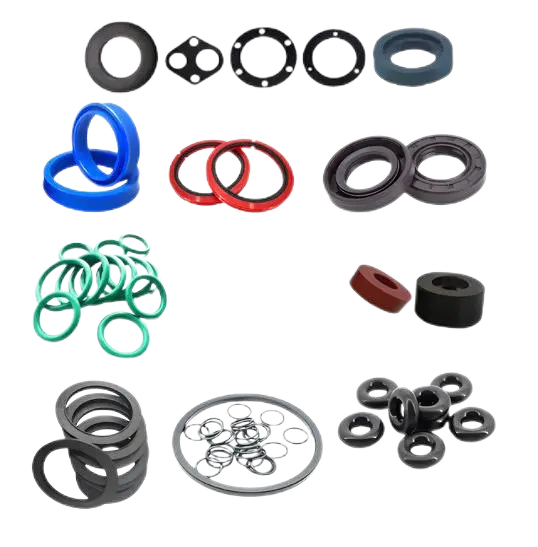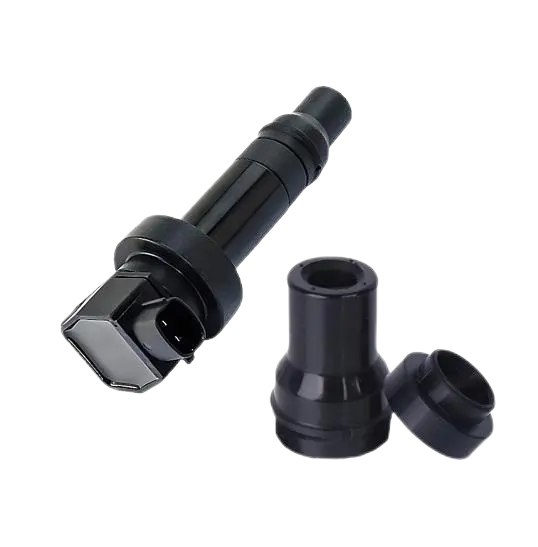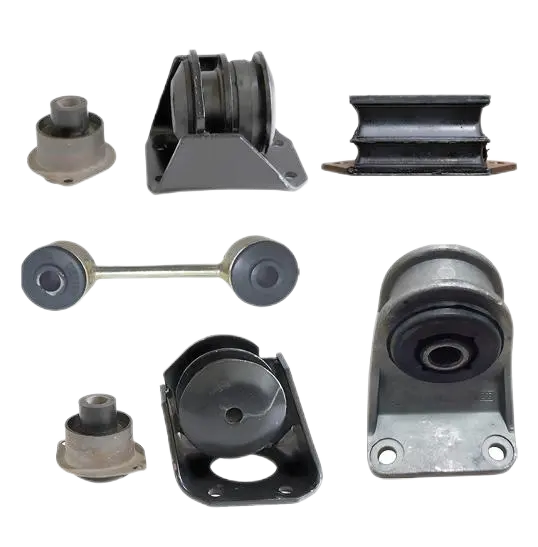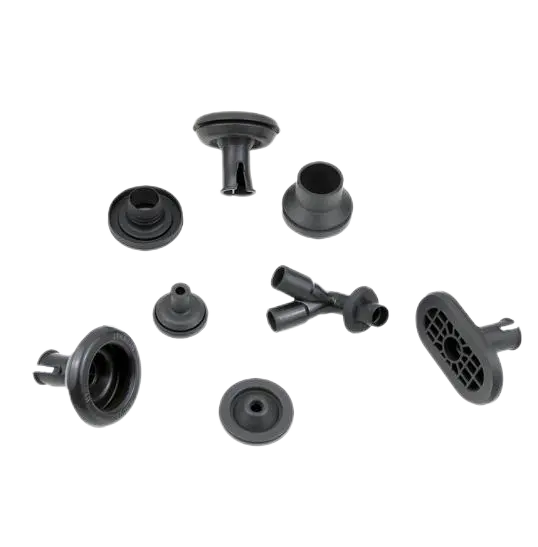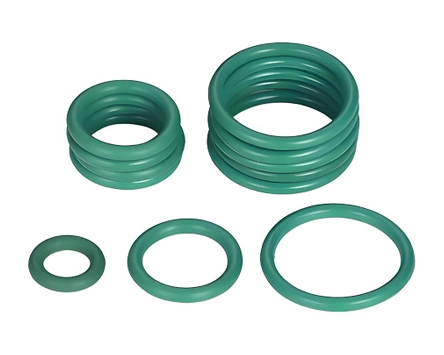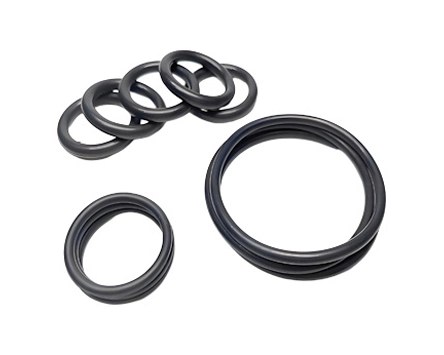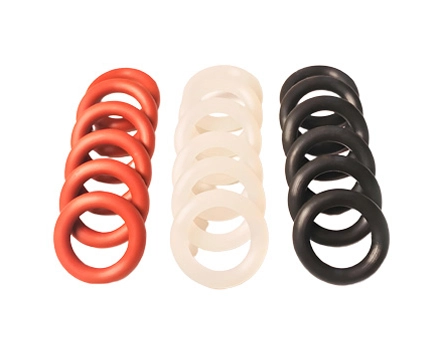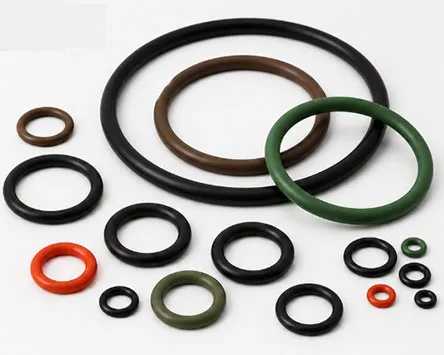
Stop letting seal failures or high costs disrupt your projects. As a leading rubber O-ring manufacturer in China, Axis Rubber engineers high-performance sealing solutions for automotive, medical, and industrial applications. From custom profiles to advanced geometries like X-rings, we provide complete manufacturing capabilities using premium compounds—including NBR, FKM (Viton), Silicone, and EPDM. Whether you need R&D prototypes or high-volume mass production, we guarantee factory-direct pricing, consistent quality, and rapid delivery.
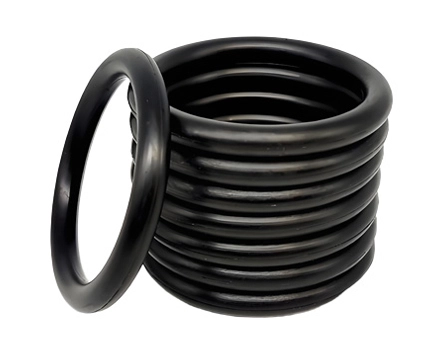
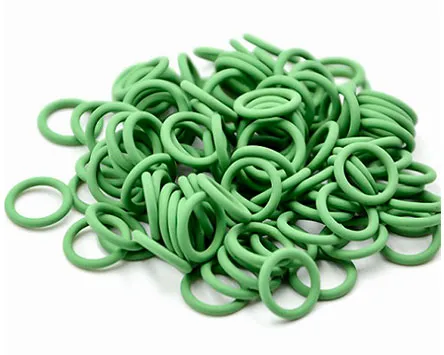
Axis Rubber – a leading manufacturer of rubber seals – offers NBR O-rings designed for superior sealing performance in various industrial applications. Made from nitrile rubber, our O-rings provide excellent resistance to oils, fuels, and other chemicals, ensuring long-lasting performance in demanding environments.
Excellent elasticity, ensuring a reliable O-ring seal even in dynamic applications.
Good weather resistance, suitable for various environments.
High strength, wear-resistant.
Good chemical resistance, making them suitable for a variety of media.
Choose AXIS O-rings to ensure your equipment performs at its best in all environments.
AXIS O-rings are widely used in automotive, mining, oilfields, and machinery manufacturing, ensuring sealing reliability. They function as static or low-speed dynamic O seal rings, often paired with flat face O-rings in hydraulic connections or high pressure O-rings in cylinders to prevent leakage and contamination.
Axis Rubber is your trusted partner for all sealing needs.
Wide Product Range: We offer a broad range of O-rings types suitable for various applications.
Superior Quality: Our products are crafted from premium materials to meet the highest industry standards.
Competitive Pricing: Our prices are competitive in the market, ensuring you get the best value for your investment.
An O-ring creates a seal through controlled compression.
When installed into a groove and compressed between two mating surfaces, the elastomer deforms slightly and generates sealing force. This compression blocks the passage of liquids or gases. As system pressure increases, it further pushes the O-ring against the sealing surface, enhancing contact stress and improving sealing performance. This self-energizing effect makes O-rings highly effective in both low- and high-pressure systems.
Proper material selection and groove design are critical to ensure long-term reliability.
Operating Temperature – Ensure the material withstands both minimum and maximum temperature conditions.
Media Compatibility – Oils, fuels, water, steam, or aggressive chemicals require different elastomers.
Pressure Level – Higher pressures may require harder compounds or backup rings.
Static vs Dynamic Application – Dynamic systems require lower friction materials and optimized profiles.
Service Life Requirements – Consider compression set resistance and aging behavior.
Engineering support is recommended for high-pressure or chemically aggressive environments.
NBR (Buna-N) is the most widely used O-ring material due to its excellent oil resistance and cost-effectiveness. For higher temperatures or aggressive chemicals, FKM and FFKM are often preferred.
NBR (Buna-N) offers excellent oil and fuel resistance at low cost but poor ozone and weather resistance. FKM (Viton®) provides superior chemical compatibility, high-temperature performance (up to +230°C), and better ozone resistance – ideal for harsh chemical or fuel environments.
Static sealing occurs when there is no relative motion between components. Dynamic sealing involves movement, such as rotating shafts or reciprocating pistons, and requires materials and profiles designed to reduce friction and wear.
Common international standards include AS568 (inch sizes) and ISO 3601 (metric sizes). These standards define inner diameter, cross-section, and tolerances to ensure interchangeability.
Top failures include:
Extrusion (material pushed into clearance gap under high pressure)
Compression set (permanent deformation after long compression)
Chemical incompatibility/swelling
Spiral twisting in dynamic applications
Improper groove design or installation damage
Proper material selection, groove sizing (15-30% squeeze), and lubrication help prevent most issues.
Groove design is critical for performance:
Squeeze: 10-30% of CS (static: 15-25%, dynamic: 10-20%)
Stretch: 1-5% on ID for piston seals
Interference on OD for rod seals
Clearance gap to prevent extrusion (use backup rings for high pressure)