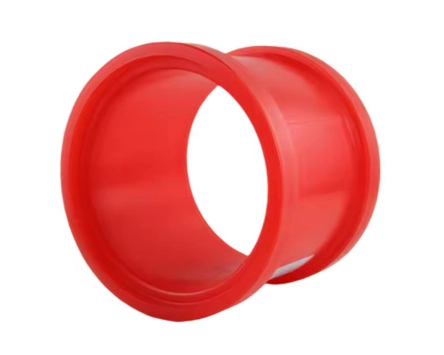
In the complex machinery of the modern industrial world, the smallest components often hold the greatest responsibility. The humble o-ring is a prime example. Whether in a car engine, a water treatment plant, or an oil refinery, an o-ring acts as the critical barrier preventing leaks and ensuring pressure integrity.
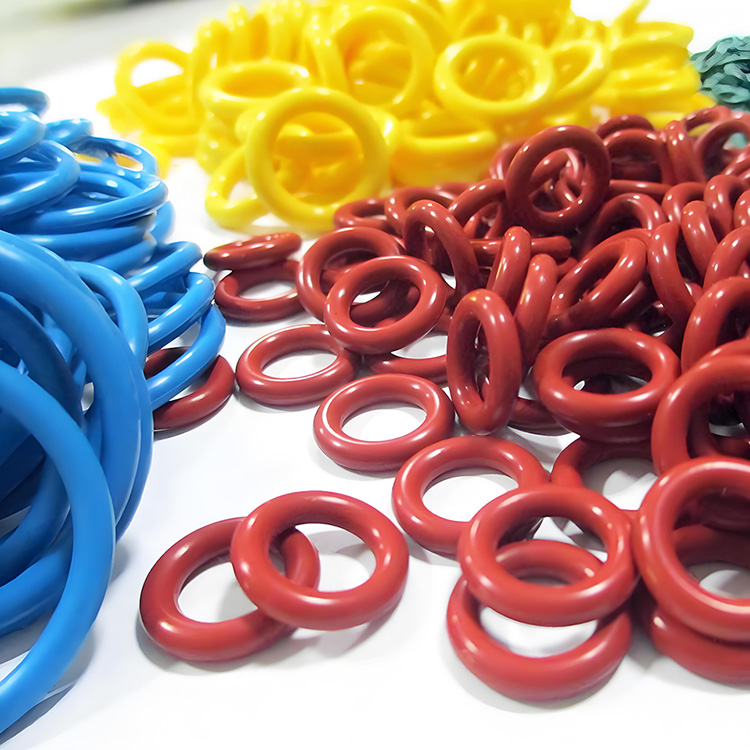
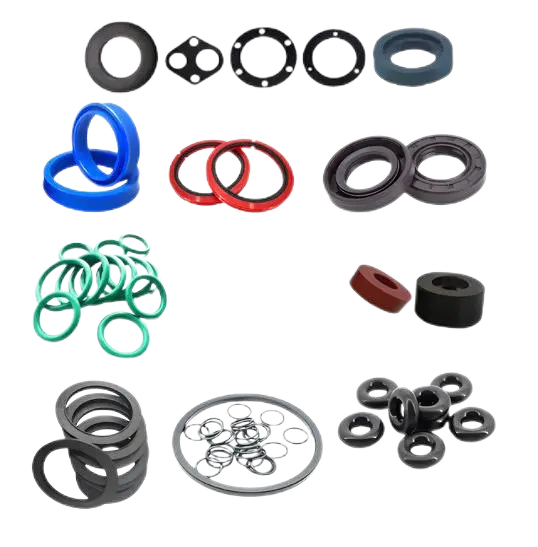
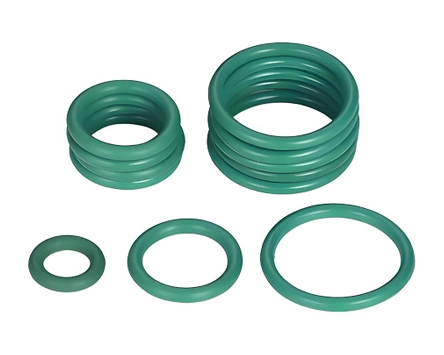
Assorted high-quality rubber o-rings manufactured by Axis Rubber
However, not all rubber seals are created equal. Two of the most common heavy-hitters in the sealing industry are Ethylene Propylene Diene Monomer (EPDM) and Fluoroelastomer (Viton®/FKM). While they may look identical to the naked eye, mistaking one for the other can lead to catastrophic system failures.
At Axis (Xi'an) Technology Co., Ltd, with over 20 years of experience in rubber product manufacturing, we understand that selecting the right material is the first step toward product longevity. In this guide, we will provide a full understanding of the differences between an EPDM O-RING and a Viton O-Ring, and specifically analyze when EPDM is your best choice.
Before comparing their performance, it is essential to understand what these materials actually are.
What is an EPDM O-Ring?
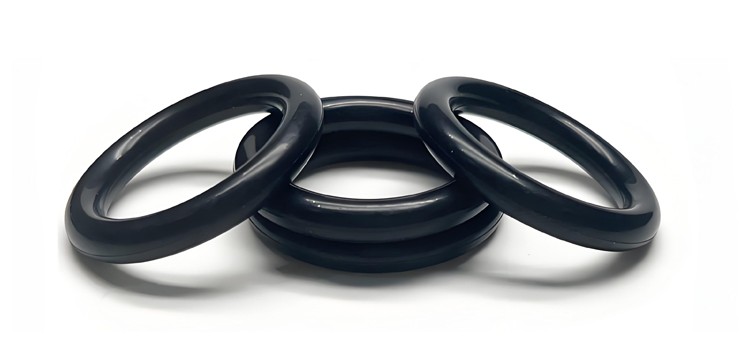
Black EPDM O-Ring ideal for water and steam applications
EPDM stands for Ethylene Propylene Diene Monomer. It is a high-density synthetic rubber that is primarily prized for its compatibility with water, steam, and polar solvents. An EPDM O-RING is structurally designed to resist degradation from environmental factors like ozone, UV rays, and weathering, making EPDM rubber rings an ideal choice for long-term outdoor sealing. Because of its polymer structure, it is incredibly stable in outdoor environments and applications involving hydraulic fluids based on glycol (like brake fluid).
What is a Viton O-Ring?
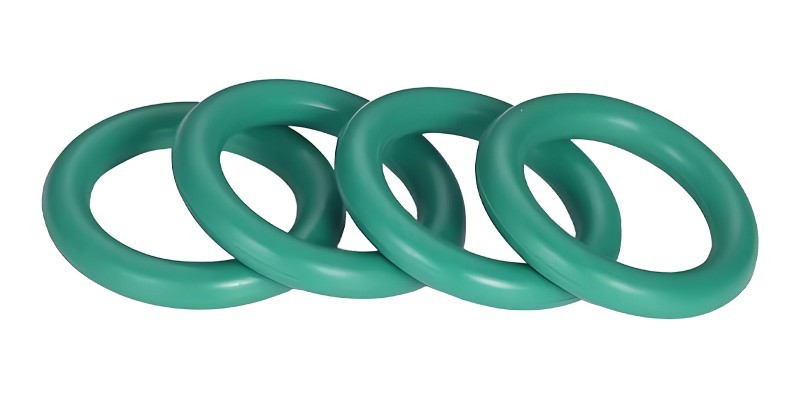
Viton O-Ring (FKM) designed for oil and high-temperature resistance
Viton, a brand name for FKM (Fluoroelastomer), is a high-performance rubber known for its density and resistance to harsh chemicals. A Viton O-Ring is typically the gold standard for applications involving petroleum-based oils, fuels, and very high temperatures. It was engineered specifically to survive in environments where standard rubbers would swell or disintegrate.
To decide between these two, we must look at how they perform under stress. Here is the breakdown of the EPDM O-RING versus the Viton O-Ring across critical industrial metrics.
Temperature Resistance
· EPDM: It offers excellent low-temperature flexibility. An EPDM O-RING can typically operate from -50°C to +150°C (-58°F to +302°F). This makes it superior for equipment used in freezing climates.
· Viton: Viton is the king of heat. A Viton O-Ring can withstand temperatures from -20°C to +250°C (-4°F to +482°F). However, it becomes brittle at very low temperatures compared to EPDM.
Chemical Compatibility (The Deal Breaker)
This is the most critical difference.
· EPDM is incompatible with petroleum-based oils, gasoline, kerosene, and hydrocarbon solvents. If you put an EPDM seal in a fuel line, it will swell and fail.
· Viton is compatible with oils, fuels, lubricants, and most mineral acids.
· Conversely, EPDM is excellent for steam, hot water, and silicone oils/greases, whereas Viton can degrade if exposed to steam for prolonged periods (unless specialized grades are used).
Environmental Resistance
Both materials offer excellent resistance to ozone and oxidation. However, for pure outdoor weathering involving rain and sunlight, EPDM O-RING solutions are generally favored for their cost-to-performance ratio and resistance to aging.
Based on our manufacturing data at Axis Rubber, many clients default to Viton thinking "more expensive means better." This is a misconception. You should specifically choose an EPDM O-RING in the following scenarios:
Scenario A: Brake Systems and Hydraulics
If your system uses glycol-based brake fluids (DOT 3, DOT 4, or DOT 5.1), you must use EPDM. Petroleum-resistant rubbers like Viton or Nitrile will attack the brake fluid or be attacked by it, leading to dangerous leaks. EPDM is chemically chemically suited for these polar fluids.
Scenario B: Water and Steam Applications
For faucets, water filtration systems, steam cleaning equipment, or radiators, EPDM is the superior choice. It resists the permeation of water and steam much better than standard FKM. If your application involves hot water sanitization, an EPDM O-RING will maintain its elasticity long after other materials have hardened.
Scenario C: Outdoor Infrastructure
For seals used in window glazing, outdoor electrical enclosures, or agricultural irrigation systems, EPDM provides outstanding resistance to the "aging" caused by UV radiation and ozone. It resists cracking and discoloration over years of exposure.
Scenario D: Cost-Effective Sealing
If your application does not involve oil or fuel, EPDM is often the more economical choice. It provides high-performance sealing capabilities at a lower raw material cost than Viton. For general-purpose sealing against air, water, and mild chemicals, EPDM offers the best value.
While EPDM is versatile, there are strict limits. You must switch to a Viton O-Ring if:
1. Oil is present: Engine oil, transmission fluid, or power steering fluid.
2. Fuel is present: Gasoline, diesel, biodiesel, or kerosene.
3. Extreme Heat: Applications where the temperature consistently exceeds 150°C (300°F), such as inside a combustion engine or industrial oven.
4. Complex Chemical Processing: Environments involving chlorinated hydrocarbons or strong acids.
5. Why Manufacturing Quality Matters
Knowing the material difference is only half the battle. The quality of the o-ring depends heavily on the manufacturing process—precision molding, vulcanization control, and flash removal.
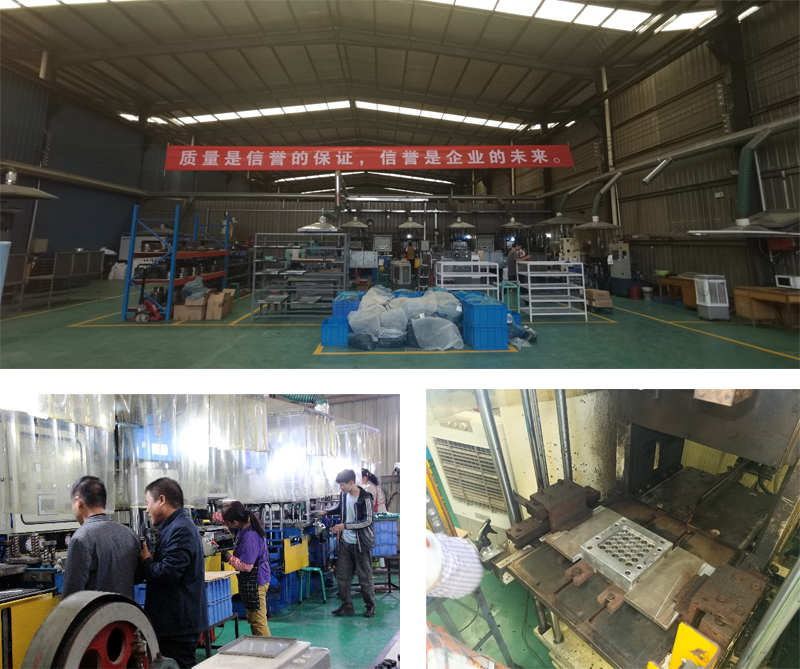
Precision rubber seal manufacturing line at Axis Xi'an Technology
At Axis (Xi'an) Technology Co., Ltd, we are more than just a supplier; as an experienced EPDM O-ring manufacturers, we are a solution provider.
· Custom Formulations: We can adjust the hardness (Shore A) and color of your EPDM or Viton seals to meet specific project requirements.
· ISO 9001 Certified: Our production lines follow strict quality management systems to ensure every o-ring meets international standards.
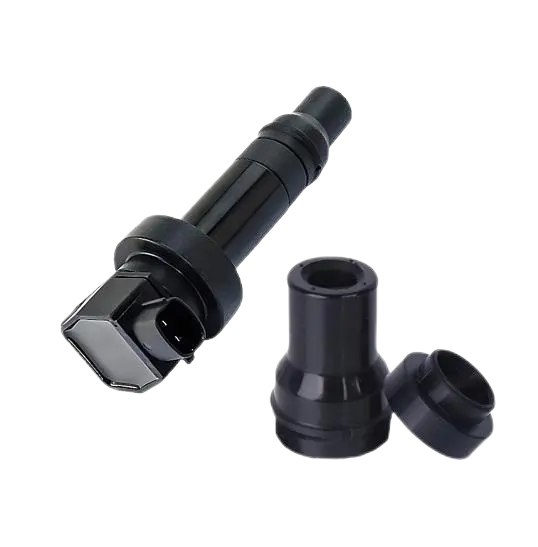
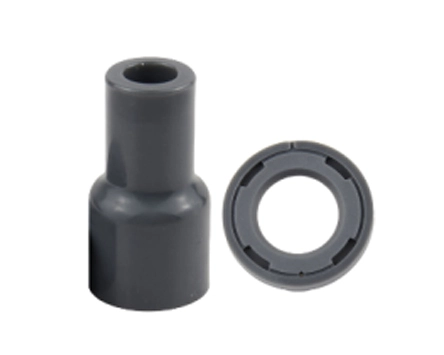
· Diverse Applications: From automotive ignition coil boots to oil field seals, we have the mold library and expertise to handle complex orders.
The battle between EPDM vs. Viton is not about which material is "better" overall, but which is "right" for your fluid and temperature environment.
· Choose an EPDM O-RING for: Steam, water, brake fluids, and outdoor sunlight exposure.
· Choose a Viton O-Ring for: Fuel, oil, hydrocarbon solvents, and extreme high temperatures.
Making the wrong choice can lead to leaks, but making the right choice ensures efficiency and safety. If you are still unsure which o-ring material fits your application, or if you need a quote for high-quality rubber seals, trust the experts.
Contact Axis (Xi'an) Technology today. Let our 20+ years of expertise guide you to the perfect sealing solution.