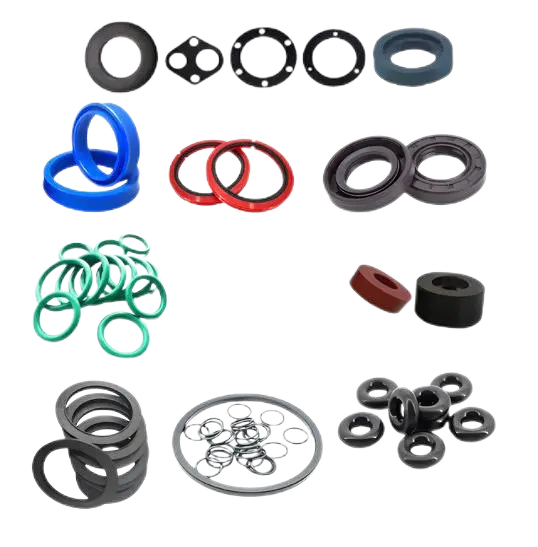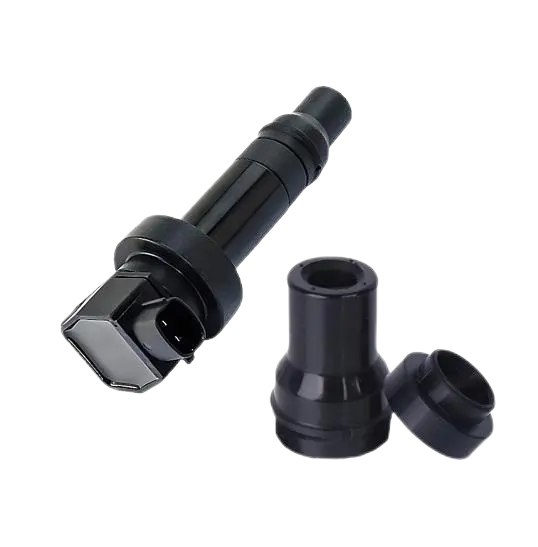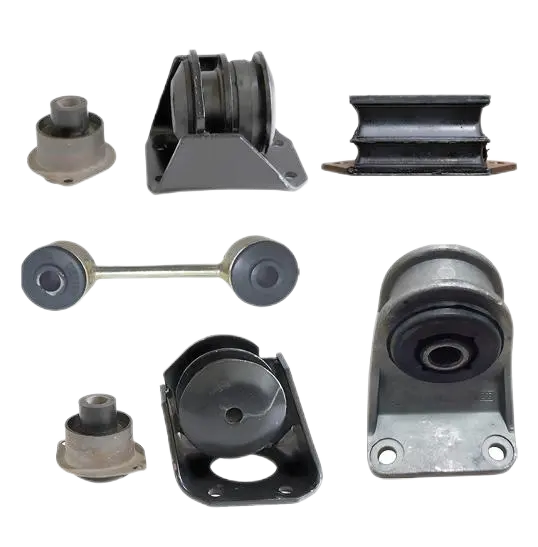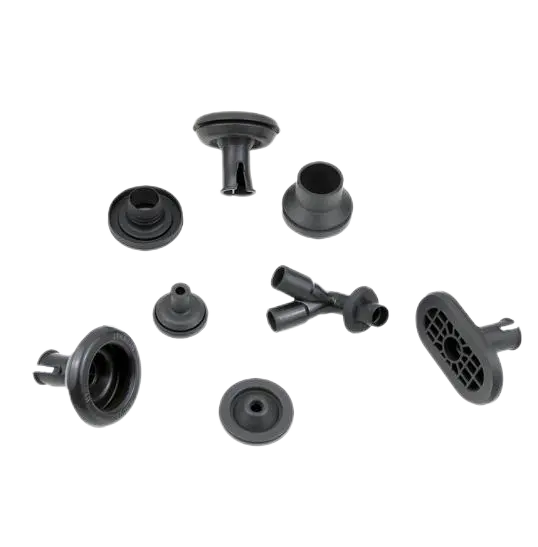
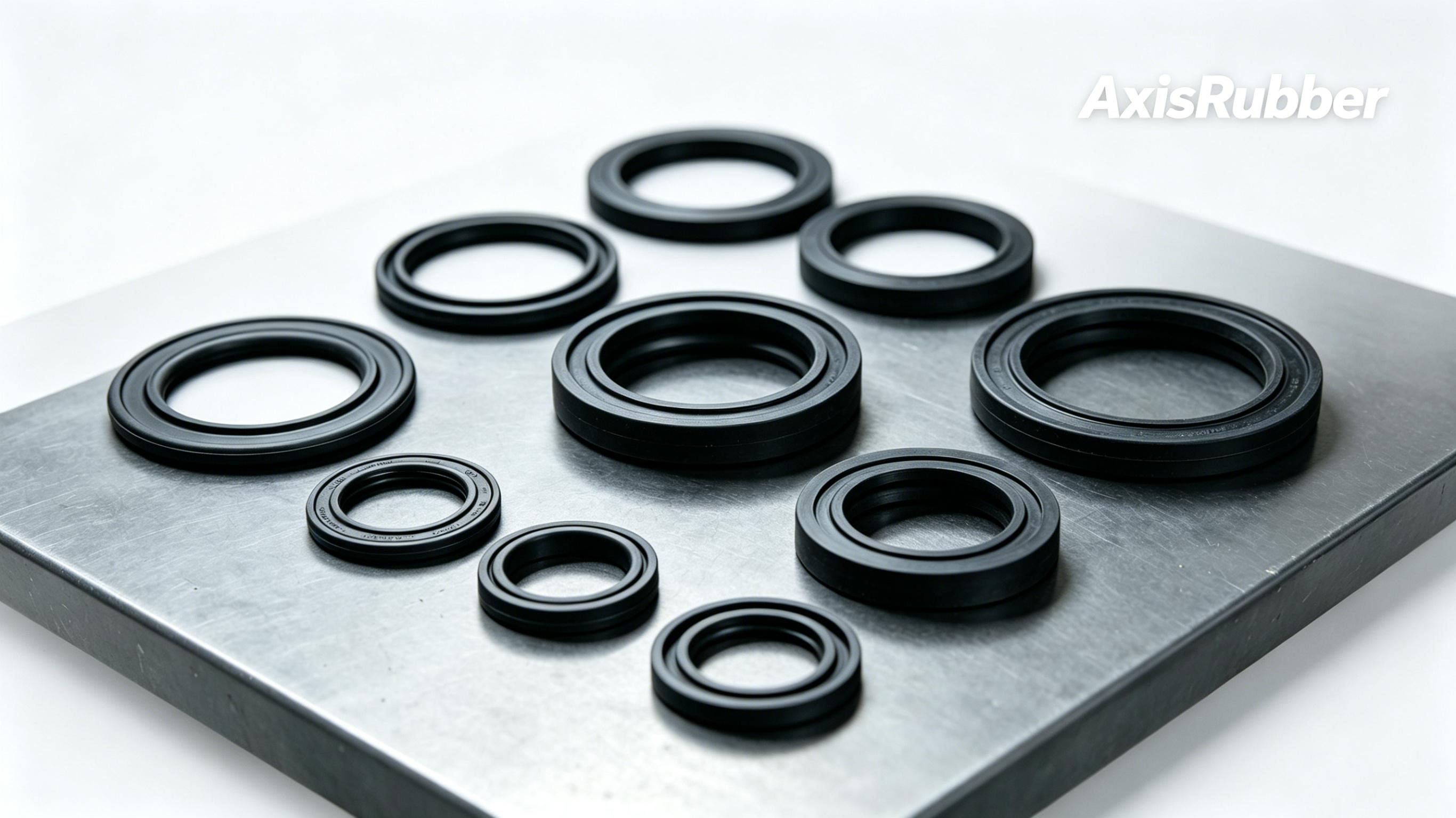
When you're designing or maintaining industrial equipment, automotive systems, or hydraulic machinery, it's easy to overlook the small parts. But a bad seal can bring your entire operation to a stop — leaking fluid, letting in contaminants, and causing costly downtime that's way more expensive than the seal itself.
At Axis Rubber, we've been making custom rubber seals for over 10 years, and we've seen it all. The right seal, made from the right material for your application, doesn't just prevent leaks — it keeps your equipment running longer and saves you money in the long run.
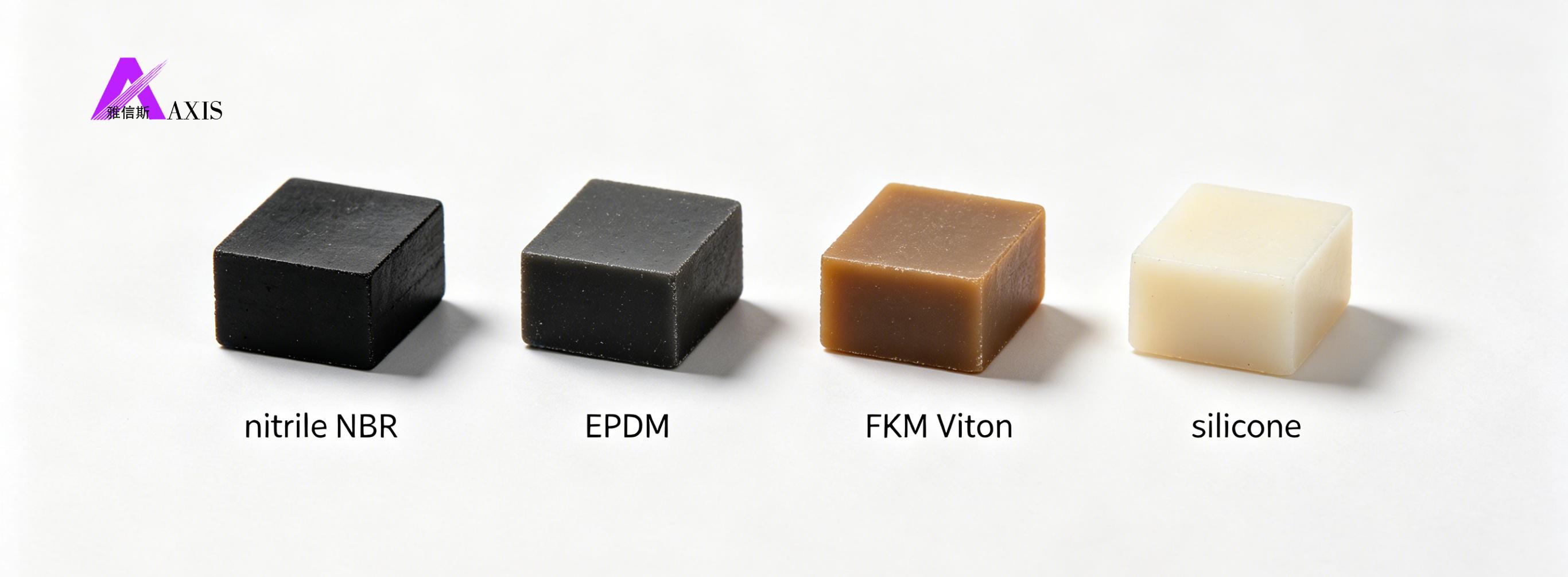
This is the #1 cause of premature seal failure. Using NBR in a high-temperature environment or EPDM where it's constantly exposed to oil will drastically shorten the seal's lifespan.
How to avoid it:
- Always match the material to your operating conditions (temperature, chemicals, pressure)
- If you're not sure, ask your supplier — we'll help you select the right material for free
- Don't just go for the cheapest option — it will cost you more in the long run
A seal that's even slightly too big or too small won't seal properly. Poor tolerances lead to gaps that cause leaks right from the start, or excessive wear that causes failure early.
**How to avoid it:**
- Work with a manufacturer that strictly follows international standards (AS568/ISO/DIN)
- For custom applications, double-check your measurements before placing an order
- At Axis Rubber, every seal is inspected before shipment to make sure dimensions are spot on
Even the best seal will fail if it's installed incorrectly. Scratches from improper tools, twisting during installation, or not cleaning the housing properly can all damage the seal before it even starts working.
**How to avoid it:**
- Use proper installation tools (avoid sharp objects that can nick the rubber)
- Clean the housing thoroughly before fitting the new seal
- Follow the manufacturer's installation guidelines — it's worth the extra 5 minutes
Sometimes seals fail simply because they're pushed beyond their design limits. Constant pressure spikes, frequent temperature cycles, or higher chemical concentrations than expected will wear out a seal much faster.
**How to avoid it:**
- Always design for the worst-case operating condition
- If your conditions are extreme, upgrade to a more durable material (like FKM for high heat/chemicals)
- Plan for regular maintenance replacement instead of waiting for failure
Not all rubber is created equal. Some manufacturers cut costs by using recycled or lower-grade rubber that doesn't meet specifications. The seal might look fine, but it will wear out much faster.
How to avoid it:
- Work with a supplier that uses high-quality virgin raw materials from reputable brands
- Ask about material certifications if you're unsure
- We only use certified raw materials for all our production, so you know what you're getting is what you paid for
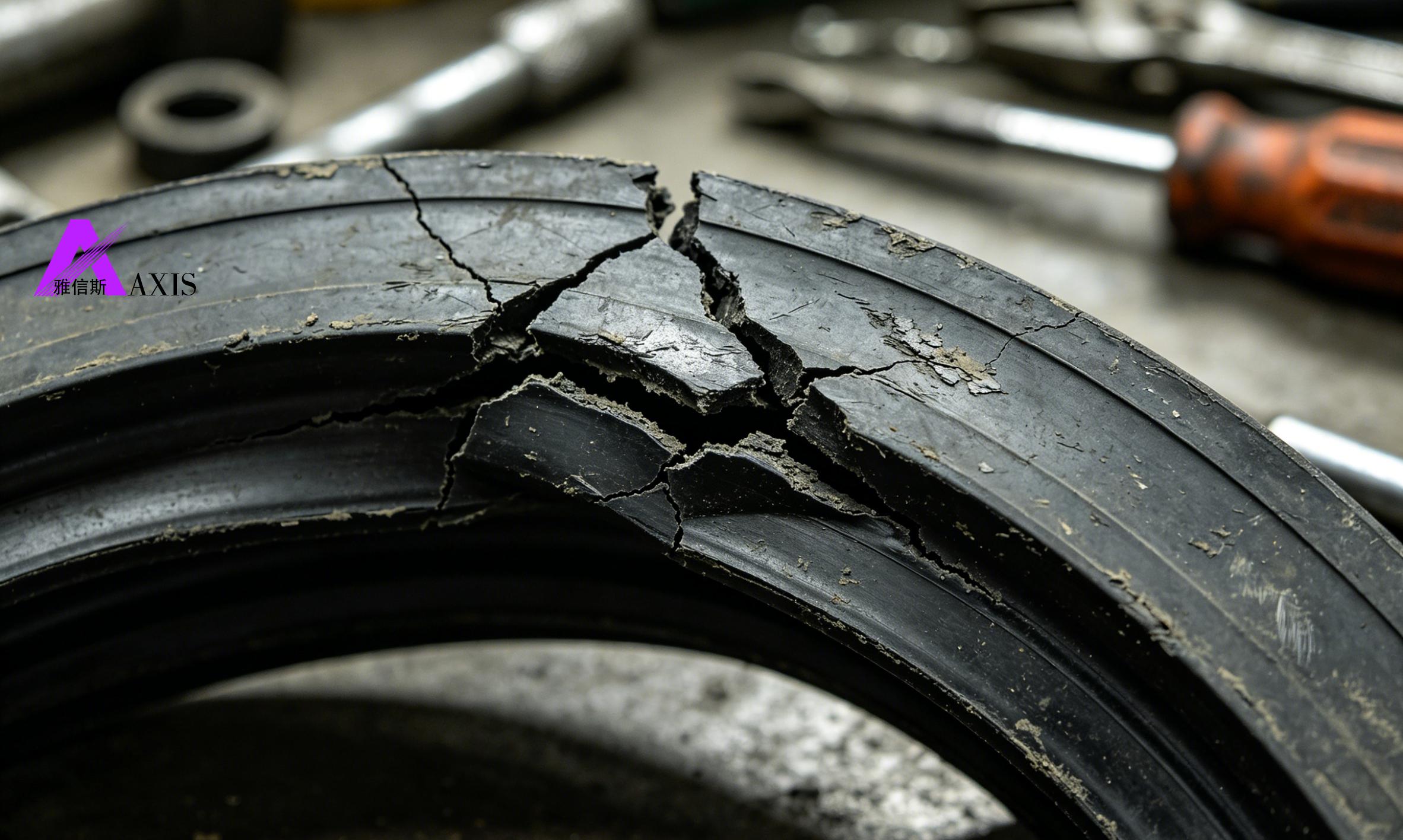
Most seal failures are preventable with the right material, correct manufacturing, proper installation, and routine maintenance. Investing in a quality seal from the start saves you far more money in avoided downtime and repairs.
At Axis Rubber, we help our customers get the right seal for their application the first time around. Whether you need standard O-rings or fully custom molded rubber parts, we've got you covered with quality materials, precise manufacturing, and flexible MOQs.
Got questions about seal failure or need a quote for replacement seals? Get in touch with our team today — we're here to help.
Email: peter@axisrubber.com
Learn more: www.axisrubber.com