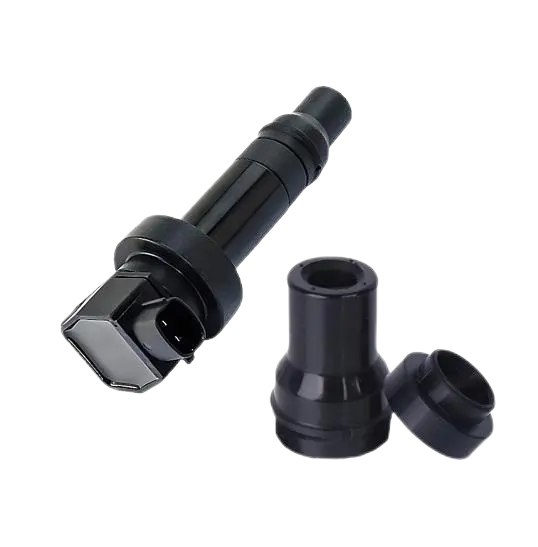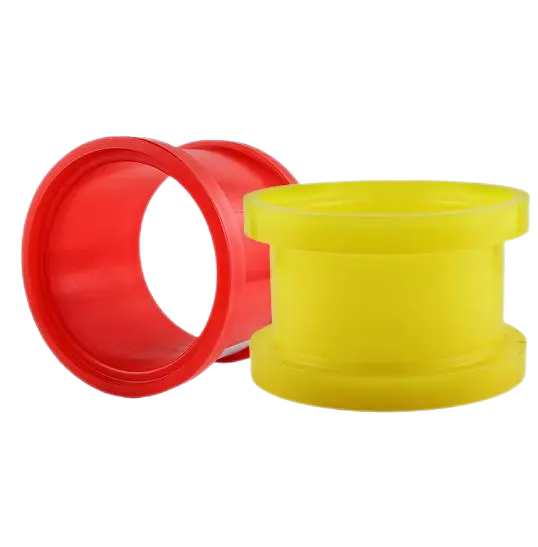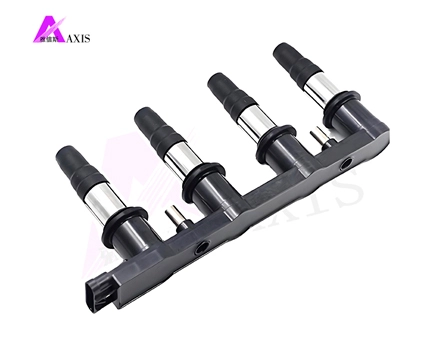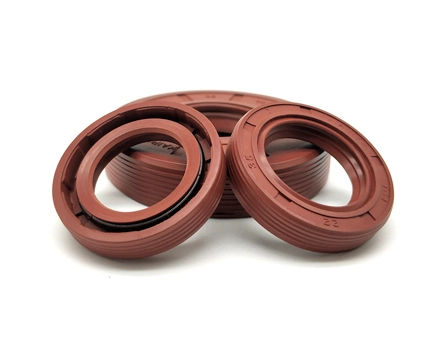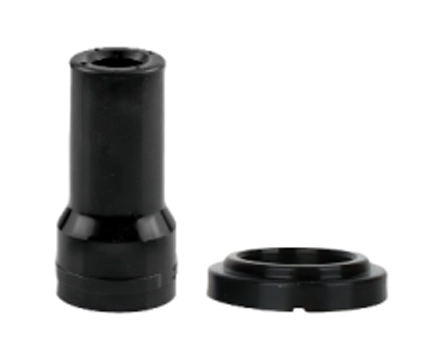
As a key sealing component of the engine ignition system, the ignition coil rubber boot is often exposed to high temperature, oil contamination, and vibration environments. It is prone to removal difficulties due to aging, adhesion, or carbon deposition. Forcible disassembly may not only damage the rubber boot and ignition coil but also cause deformation of the spark plug hole, affecting the normal operation of the engine. Mastering scientific removal techniques and prevention methods is crucial for improving maintenance efficiency and reducing component wear.
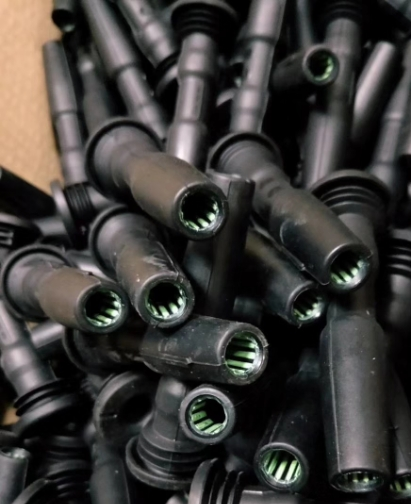
Before disassembly, identifying the root causes of a stuck rubber boot can make the operation more targeted. The main causes can be categorized into three types:
1. Aging and Hardening: The main component of the rubber boot is nitrile rubber or silicone rubber. Under the influence of long-term high temperatures (up to 80-120℃) from the engine block, its molecular structure gradually ages, resulting in decreased elasticity and brittle texture. The fitting gap between the rubber boot, ignition coil housing, and spark plug hole wall disappears, forming a "seized" state.
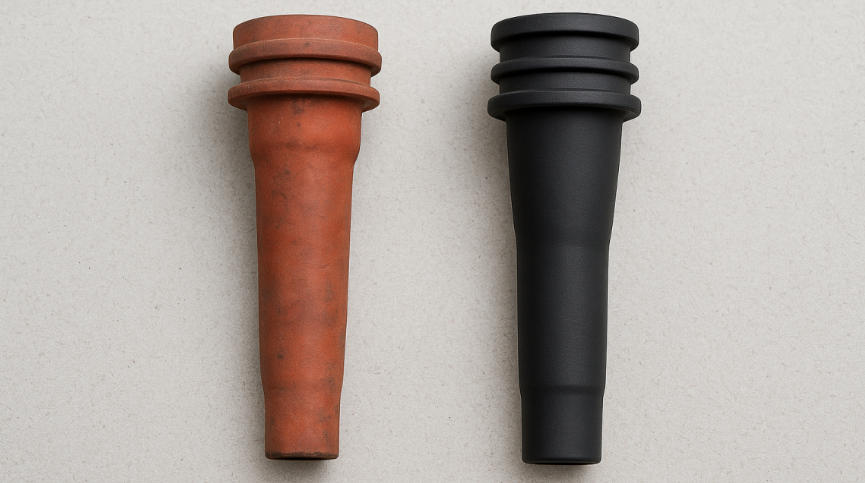
1. Oil Contamination and Carbon Adhesion: Engine oil vapor and unburned fuel impurities generated during engine operation can penetrate between the rubber boot and the contact surface. After long-term accumulation, they form viscous sludge or hard carbon deposits, firmly adhering the rubber boot to the ignition coil and cylinder block.
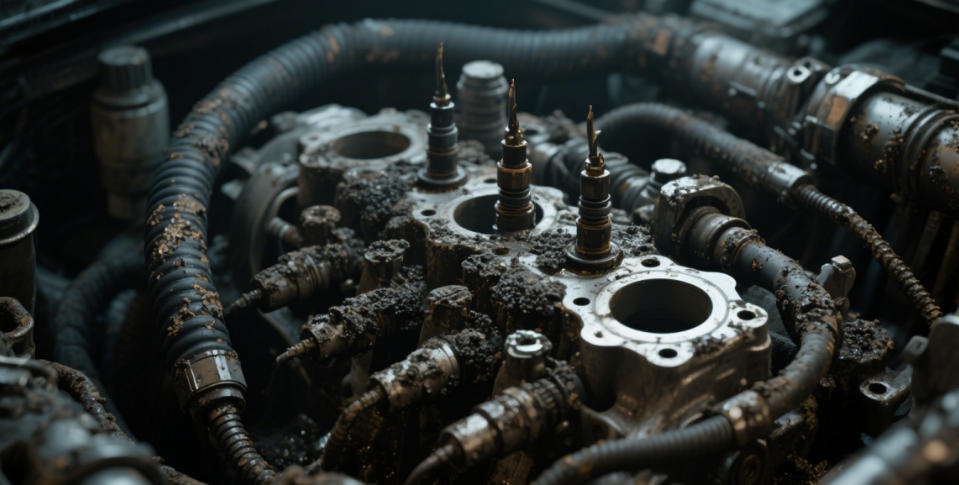
1. Hidden Risks from Improper Installation: If the rubber boot is not fully aligned with the axis of the spark plug hole during initial installation, or if it is forced to be squeezed into place causing local deformation, it is prone to excessive local wear or jamming after long-term use, increasing the difficulty of removal.
During removal, the principles of "pre-treatment first, step-by-step disassembly, and no violent operation" should be followed. Using specialized tools can significantly reduce the risk of damage.
Required tools include: flathead/Phillips screwdrivers (the flat head should be polished smooth to avoid scratches), rubber-specific pry bars (or plastic clip removers), a spray bottle (filled with water or rubber softener), clean rags, and needle-nose pliers. Gloves should also be worn to prevent hand scratches from aging rubber; disposable gloves can be used if the rubber boot is heavily oil-contaminated.
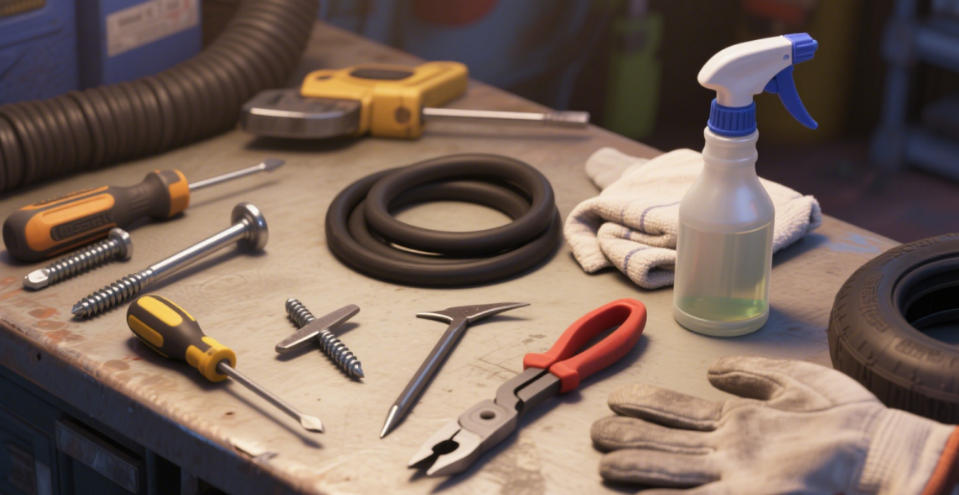
1. Pre-treatment: Softening and Loosening
First, clean the dust and oil around the ignition coil. Spray a small amount of rubber softener (if unavailable, a small amount of soapy water can be used as a substitute) onto the junction of the rubber boot and the ignition coil using a spray bottle. Let it sit for 3-5 minutes to allow the softener to penetrate into the gaps and reduce adhesion resistance.
2. Initial Separation: Prying the Edge
Insert the flat end of a plastic pry bar into the gap between the rubber boot and the ignition coil housing. Gently pry the edge from different directions to initially separate the rubber boot from the ignition coil. Ensure even force to avoid scratching the ignition coil's plastic housing or the rubber boot itself.
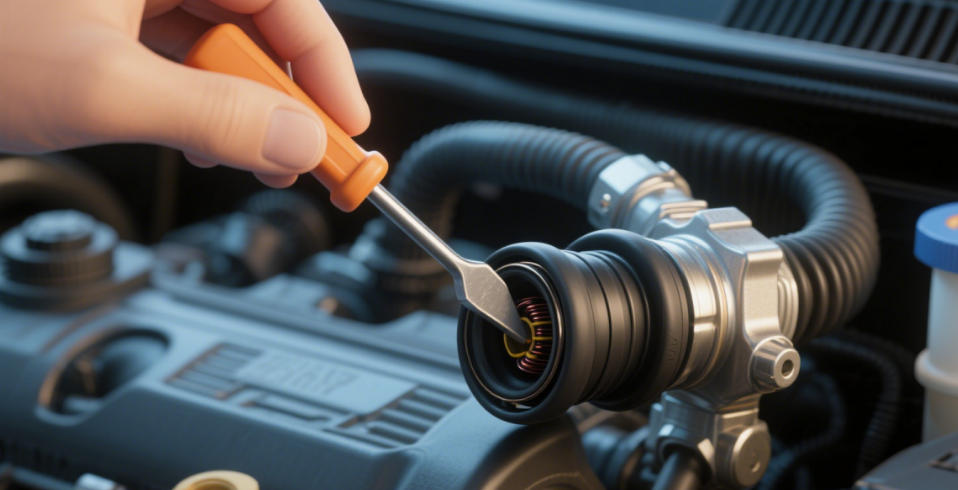
1. Gradual Extraction: Auxiliary Pulling
When the edge of the rubber boot is separated from the ignition coil by 2-3 centimeters, hold the edge of the rubber boot with your hand and slowly pull upward. If significant resistance is felt during pulling, alternately use the pry bar to gently pry in the gap on the other side, prying and pulling simultaneously to avoid tearing the rubber boot due to forced pulling.
2. Handling Special Cases
If the rubber boot is severely adhered to the spark plug hole wall, gently clamp the upper part of the rubber boot with needle-nose pliers (avoiding damage) during extraction, slowly rotate and pull upward, using rotational force to break the adhesive structure of carbon deposits. If the rubber boot has aged and cracked, carefully remove the residual fragments with tweezers to prevent them from falling into the spark plug hole.
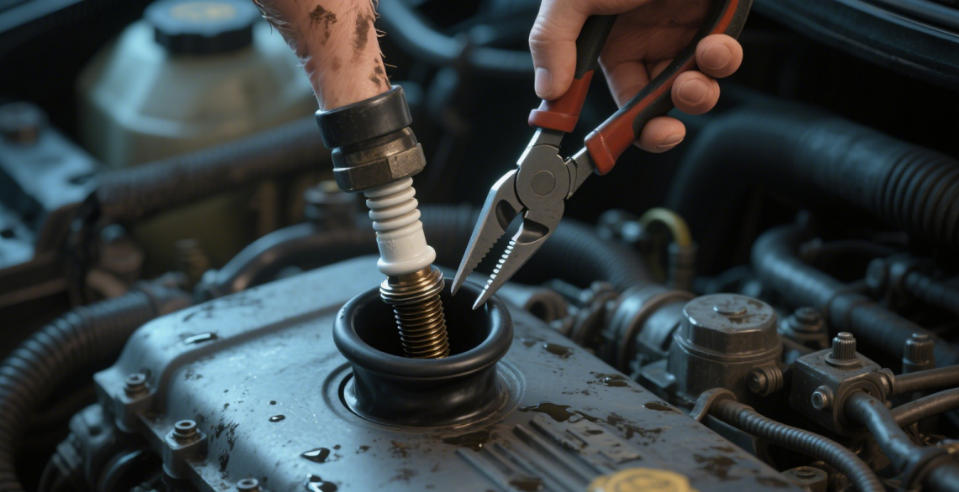
Compared to removal, taking preventive measures in advance can fundamentally reduce the probability of rubber boot jamming and extend the service life of components.
1. Before installation, check whether the rubber boot is intact and free of cracks, deformation, or aging signs. Replace it with a new one promptly if any issues are found.
2. Apply a small amount of talcum powder or rubber-specific lubricant to the inner wall of the rubber boot and the contact area with the ignition coil to reduce friction resistance during installation and form an isolation layer to prevent direct oil adhesion.
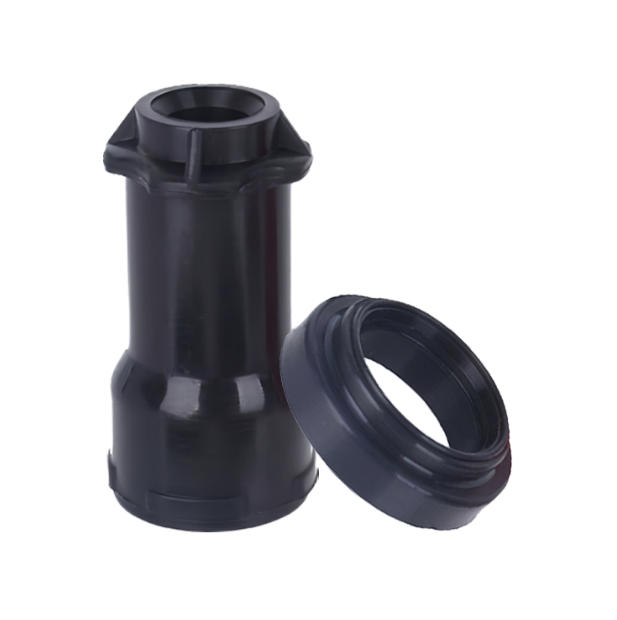
Fig. 7: Applying talcum powder to the inner wall of a new rubber boot for easier installation
1. Ensure the rubber boot is aligned with the axis of the spark plug hole during installation. Push it in slowly to avoid deformation or wrinkling of the rubber boot due to forced squeezing, ensuring proper sealing while preventing local jamming.
1. According to the vehicle maintenance manual, regularly (usually every 20,000-30,000 kilometers) inspect the condition of the ignition coil rubber boot. Clean oil and carbon deposits on the surface in a timely manner. If signs of hardening, cracking, or other aging appear on the rubber boot, replace it in advance to avoid aggravated aging leading to jamming.
2. When maintaining the ignition system, clean the carbon deposits in the spark plug hole after removing the rubber boot, and wipe the connection part of the ignition coil with a clean rag to reduce adhesion risks during the next installation.
Avoid long-term high-load operation of the engine to reduce excessive generation of engine oil vapor; regularly replace engine oil and air filters to reduce the probability of fuel impurities and dust entering the ignition system, thereby minimizing oil and carbon accumulation at the source.
In summary, the removal of the ignition coil rubber boot should focus on "softening, skillful prying, and slow pulling" to avoid violent operations; prevention, on the other hand, should start from three aspects: standardized installation, regular maintenance, and environmental optimization. Mastering these techniques and methods can not only efficiently solve removal problems but also reduce maintenance costs and ensure the stable operation of the engine ignition system.