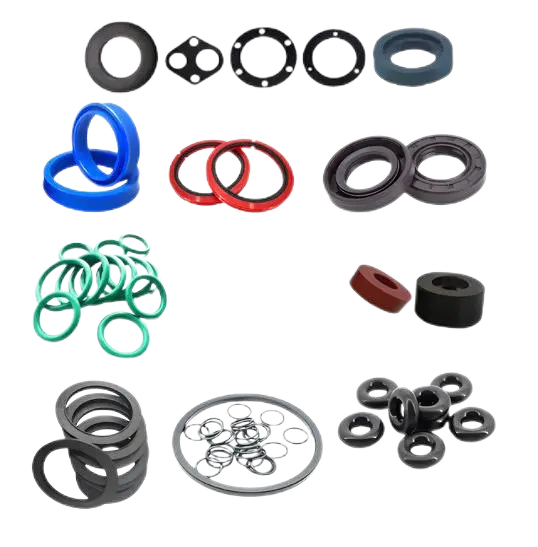
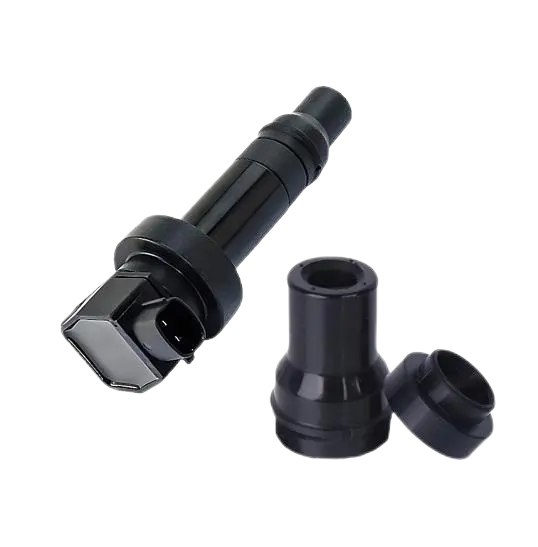
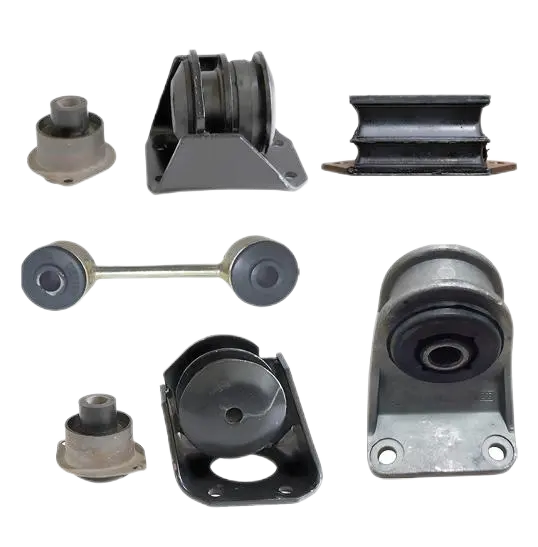
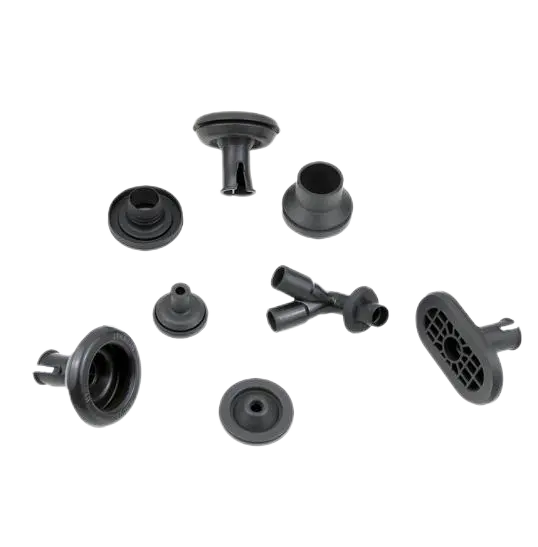
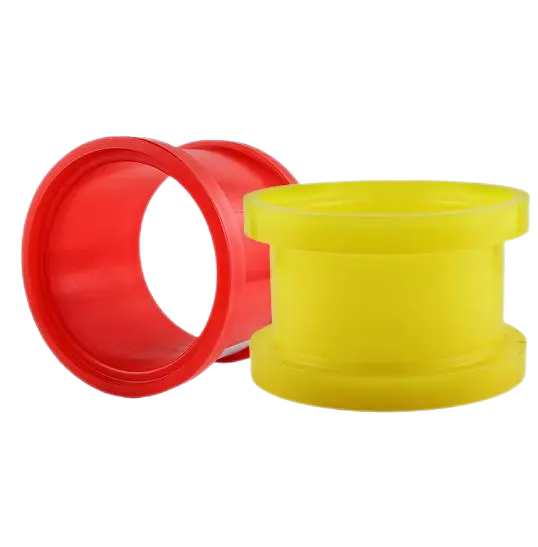
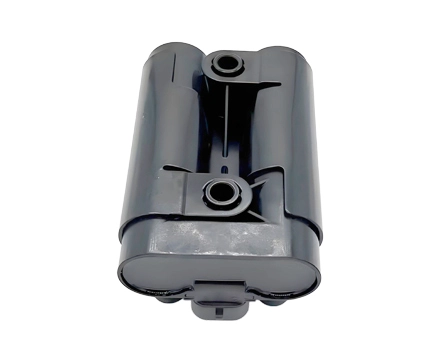
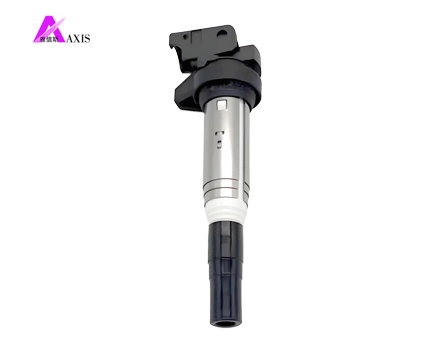
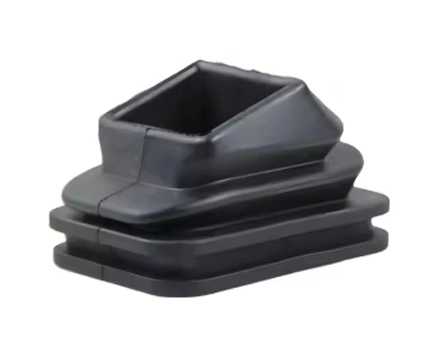
A rubber gasket is a simple yet crucial component in many mechanical and industrial systems. It is a flat, flexible sheet made from various rubber materials, designed to create a seal between two surfaces. The primary function of a rubber gasket is to prevent leakage of fluids or gases and to maintain pressure within a system. In this beginner's guide, we will explore the functions and types of rubber gaskets to help you understand their importance and applications.
Functions of Rubber Gaskets
1. Preventing Leakage: The most fundamental function of a rubber gasket is to prevent the escape of liquids or gases from a system. By filling in the gaps and irregularities between two surfaces, the gasket creates a barrier that ensures tight sealing.
2. Maintaining Pressure: In systems where pressure needs to be controlled, rubber gaskets play a vital role. They help maintain the desired pressure by preventing the loss of compressed fluids or gases.
3. Absorbing Vibration and Shock: Rubber gaskets can act as a cushion between components, reducing the impact of vibration and shock. This helps protect sensitive equipment and extend the lifespan of machinery.
4. Compensating for Surface Irregularities: No two surfaces are perfectly smooth or aligned. Rubber gaskets conform to the irregularities of the mating surfaces, ensuring a reliable seal even when the surfaces are not perfectly matched.
Types of Rubber Gaskets
1. By Material
Neoprene Rubber Gaskets: Neoprene is a general-purpose synthetic rubber with good resistance to oil, ozone, and weather. It is widely used in automotive and industrial applications due to its durability and flexibility.
Nitrile Rubber (Buna-N) Gaskets: Nitrile rubber offers excellent resistance to oils and fuels, making it ideal for applications involving hydraulic systems, fuel systems, and other petroleum-based fluids.
EPDM Rubber Gaskets: EPDM (Ethylene Propylene Diene Monomer) rubber is known for its outstanding resistance to heat, ozone, and weather. It is commonly used in automotive cooling systems, outdoor equipment, and applications exposed to UV radiation.
Silicone Rubber Gaskets: Silicone rubber provides exceptional temperature resistance, functioning effectively in extreme cold and high heat. It is often used in foodservice equipment, baking machinery, and applications requiring FDA compliance.
- Viton Rubber Gaskets: Viton is a high-performance fluoroelastomer with superior resistance to heat and a wide range of chemicals. It is typically used in demanding environments such as aerospace, chemical processing, and high-temperature industrial applications.
2. By Design and Application
- Flat Rubber Gaskets: These are the most common type of rubber gaskets. They are flat sheets cut or molded into specific shapes to fit between two surfaces. Flat rubber gaskets are used in a variety of applications, including flange joints, valve covers, and engine components.
Spiral Wound Gaskets: Spiral wound gaskets consist of a spiral wound metal strip (usually stainless steel) and a filler material (such as rubber). They are designed to handle high-pressure and high-temperature applications and are commonly used in pipelines and pressure vessels.
Full-Face Gaskets: Full-face gaskets cover the entire face of a flange and have bolt holes for alignment. They provide a uniform sealing surface and are often used in applications where a high degree of sealing is required, such as in chemical plants and refineries.
Ring Gaskets: Ring gaskets, also known as metal-jacketed gaskets, feature a metal outer ring (usually carbon steel or stainless steel) and a soft inner ring (such as rubber). They are designed to withstand high pressures and temperatures and are commonly used in valve stems and pipe flanges.
Custom-Shaped Gaskets: Custom-shaped gaskets are designed to meet specific application requirements. They can be made in various shapes and sizes to fit unique equipment configurations. Custom gaskets are often used in specialized industrial equipment and machinery.
Choosing the Right Rubber Gasket
Selecting the appropriate rubber gasket involves considering several factors:
Application Requirements: Determine the specific needs of your application, including the type of fluid or gas being sealed, temperature and pressure conditions, and the nature of the surfaces involved.
Material Compatibility: Choose a rubber material that is compatible with the substances it will come into contact with. For example, nitrile rubber is suitable for oil-based fluids, while EPDM is better for water and steam.
Temperature and Pressure: Ensure that the gasket material can withstand the temperature and pressure ranges of your application.
Surface Conditions: Consider the condition of the mating surfaces. If the surfaces are rough or irregular, a more flexible and conformable gasket material may be necessary.
Cost and Availability: Select a gasket that fits your budget and is readily available in the required size and material.
Conclusion
Rubber gaskets are essential components in ensuring the proper functioning and reliability of many mechanical and industrial systems. They serve critical functions such as preventing leakage, maintaining pressure, and compensating for surface irregularities. With various types of rubber gaskets available, each suited to specific applications and conditions, understanding their functions and characteristics can help you make informed decisions when selecting the right gasket for your needs. Whether you are working on automotive repairs, industrial machinery, or any other project, the right rubber gasket can make a significant difference in the performance and longevity of your equipment.
As one of the reliable rubber gasket manufacturers, Axis provides high-quality rubber gaskets engineered for long-term sealing performance across automotive, industrial machinery, HVAC, fluid systems, and chemical processing applications. We offer a full range of rubber gasket for sale, covering materials such as EPDM, nitrile, neoprene, silicone, and Viton. Axis also supports custom rubber gaskets to meet unique design, material, and performance requirements. Explore our solutions to find the right sealing products tailored to your application needs.