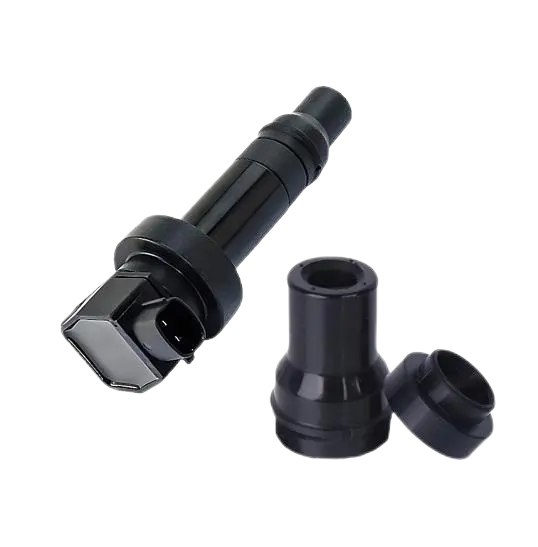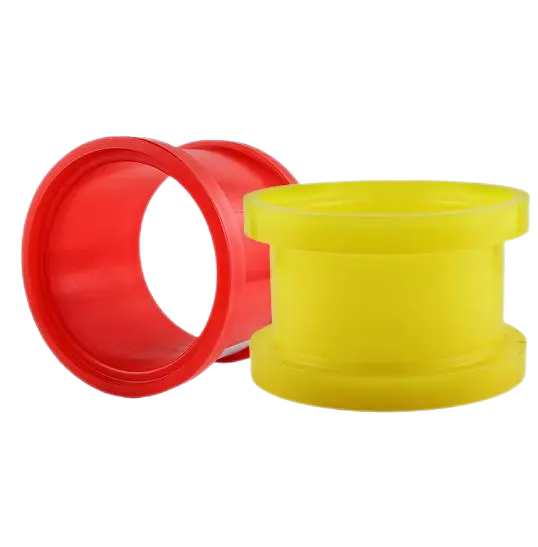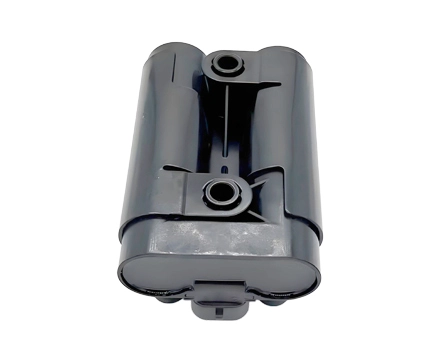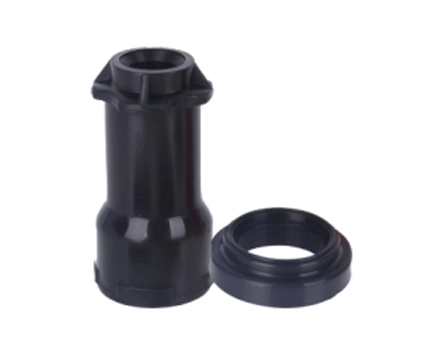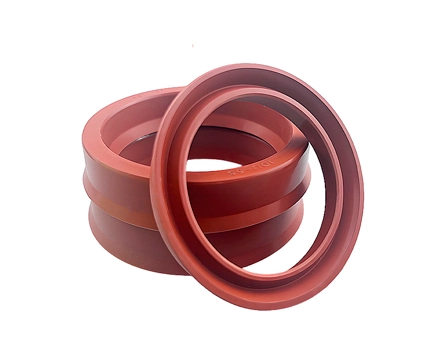
Your car's ignition system is a symphony of precise timing and controlled explosions. While spark plugs and ignition coils get most of the attention, there's a small, often-overlooked component critical to this performance: the ignition coil boot. More than just a simple piece of rubber, this humble part plays an essential role in ensuring your engine runs smoothly, efficiently, and reliably. If you're wondering what an ignition coil boot is, it serves as both an electrical insulator and a protective seal for the ignition system. Let's delve into what coil boots do and why they are absolutely necessary.
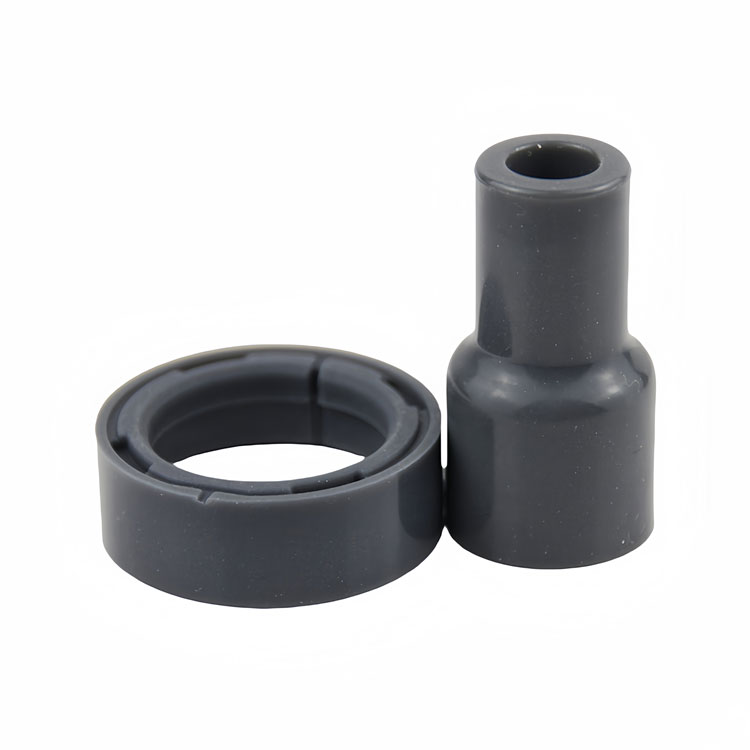
The ignition coil's primary job is to transform your car's low-voltage (12V) battery power into the tens of thousands of volts needed to create a powerful spark at the spark plug. This extremely high voltage (HV) has to travel from the coil tower down to the spark plug electrode buried deep within the engine cylinder.
• What the Boot Does: The coil boot acts as the insulated conduit for this high-voltage current. Its core material, typically high-quality silicone rubber, possesses excellent dielectric strength. This means it resists electrical conductivity, effectively containing the massive electrical charge within its walls and forcing it to travel only down the conductor embedded within it to the spark plug tip. Modern boots often have a graphite or metallic core wire or spring inside the silicone to ensure a robust electrical path.
• Why It's Necessary: Without this robust insulation, the high voltage would find the easiest path to ground – potentially arcing or "jumping" to nearby metal engine components (like the cylinder head, valve cover, or other bolts/wires). This arcing leads to misfires, robbing the engine of power, fuel efficiency, and increasing harmful emissions. The boot prevents electrical leaks and ensures all that energy makes it precisely where it needs to go – across the spark plug gap.
The engine compartment is a hostile environment: hot, oily, wet, dusty, and exposed to corrosive chemicals and road debris.
• What the Boot Does: The coil boot forms a tight seal between the bottom of the ignition coil and the top of the spark plug well or cylinder head. This seal performs vital protective functions:
• Moisture Exclusion: Prevents water or engine wash water from seeping into the spark plug well, which could cause corrosion on the plug terminal, cause a short circuit (misfire), or even hydro-lock the plug during startup.
• Dirt & Debris Barrier: Keeps grime, oil, and dust out of the spark plug well. Contamination can foul the spark plug or interfere with the electrical connection.
• Chemical Resistance: Resists degradation from engine oils, coolants, transmission fluids, and fuel vapors that might otherwise cause the rubber to swell, crack, or weaken.
• Why It's Necessary: Failure here leads to contamination inside the spark plug well. Moisture causes corrosion and shorts. Oil or coolant leaking past valve cover gaskets can pool in the well, fouling the plug tip. Dirt can prevent a good electrical connection. This protection is crucial for long-term reliability and preventing hard-to-diagnose intermittent misfires caused by environmental intrusion.
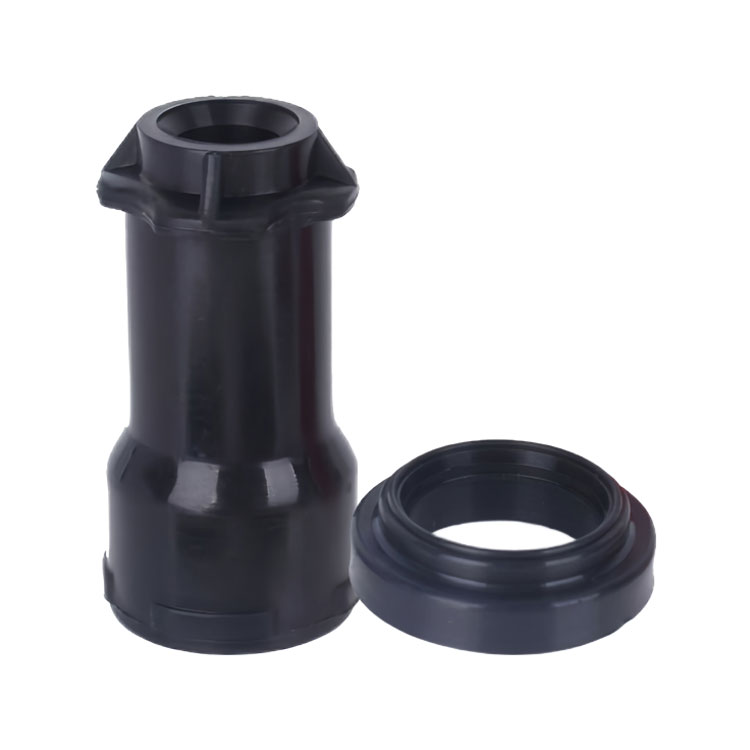
Beyond insulation and sealing, the boot provides critical structural support for the electrical connection itself.
• What the Boot Does:
• Secures the Connection: The boot fits snugly over the spark plug terminal (nipple). Many boots have internal metal clips or spring contacts that ensure a firm, low-resistance electrical grip on the plug terminal. It also physically holds the ignition coil securely in place above the spark plug.
• Vibration Damping: The flexible rubber boot absorbs engine vibrations, preventing excessive stress on the coil windings and the electrical connection to the spark plug.
• Insertion/Removal Aid: The boot makes it easier to install and remove the coil from the often deep and recessed spark plug well. It provides a gripping point for mechanics and shields the fragile spark plug ceramic insulator from chipping during handling.
• Why It's Necessary: A poor electrical connection leads to increased electrical resistance, voltage drop, and weak or inconsistent sparking (misfires). Vibration without damping can loosen connections or damage coils. Difficulty accessing plugs increases repair time and the chance of damage. The boot solves these practical installation and operational challenges.
Ultimately, the coil boot’s role is to ensure the ignition system performs flawlessly. A properly functioning boot directly contributes to:
• Optimal Spark Delivery: Ensures maximum voltage reaches the plug without loss, creating a strong, hot spark for complete and efficient fuel combustion.
• Consistent Timing: By preventing misfires caused by electrical leakage or contamination, the boot helps maintain consistent ignition timing across all cylinders.
• Prevention of Drivability Issues: Avoids rough idling, hesitation, loss of power, increased fuel consumption, and failed emissions tests caused by coil boot failure.
Coil boots are wear items. Over time and miles, they succumb to their harsh environment:
• Heat Degradation: The rubber hardens, cracks, loses flexibility, and its dielectric strength weakens.
• Tracking: Carbon deposits can form conductive paths ("tracks") on the inside surface of a degraded boot, providing a shortcut to ground for the high voltage (causing a misfire).
• Ripping/Tearing: Boots can tear during removal, or their sealing lips can become damaged.
• Shrinking/Expanding: Improper material or age can cause loss of sealing integrity.
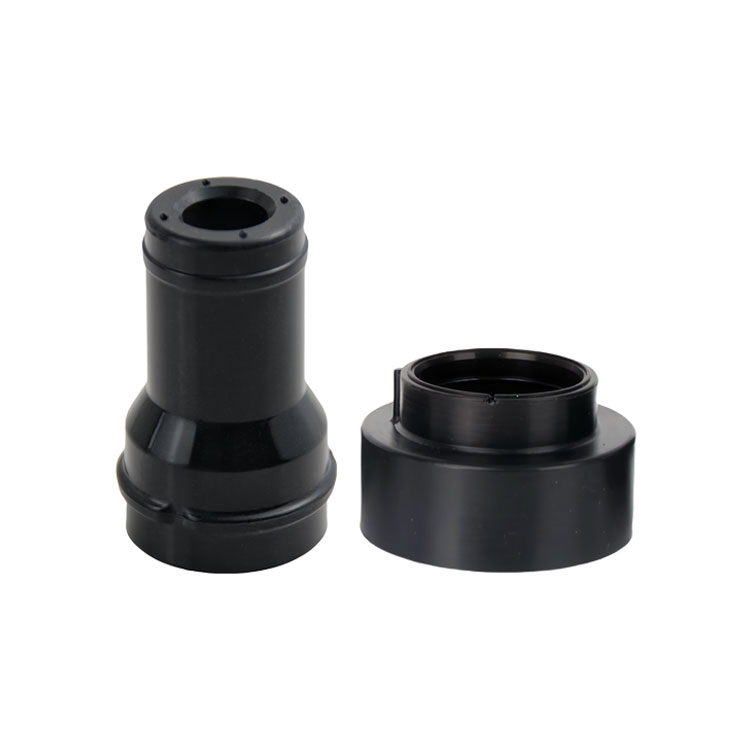
The cost of ignoring bad boots? Persistent engine misfires lead to:
• Wasted fuel
• Reduced power
• Increased emissions (potential check engine light/failed inspection)
• Unburned fuel washing down cylinder walls, diluting engine oil
• Potential fouling or damage to spark plugs and even the expensive ignition coils themselves.
The ignition coil boot is a masterpiece of essential, integrated engineering. It’s an insulator, a sealant, a conductor, a protector, and a connector all rolled into one vital component. Without these unsung heroes performing their demanding roles reliably, the entire ignition symphony falls into disarray, resulting in poor performance, wasted fuel, and frustrating drivability issues. Next time you consider spark plug or ignition system maintenance, remember the crucial role of the humble coil boot – inspect it carefully and replace it if there's any doubt about its condition. Keeping these boots healthy is fundamental to keeping your engine firing on all cylinders.