1. Engine Vibration
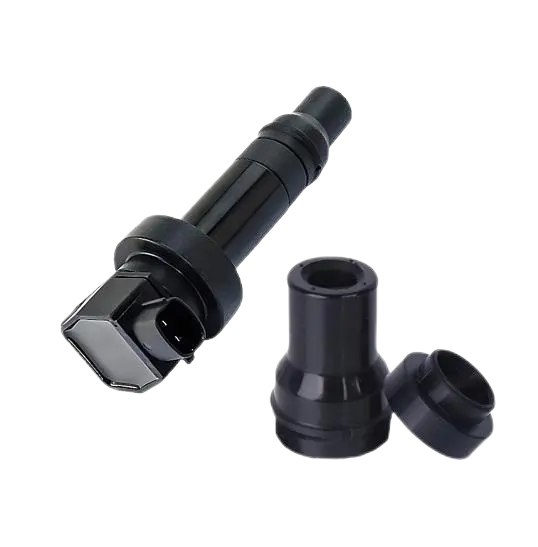
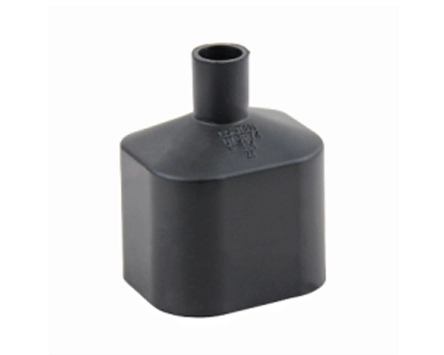
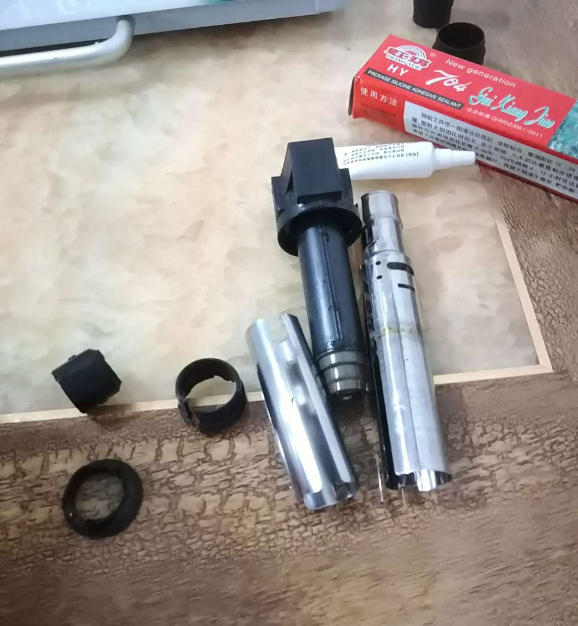
• Aging or cracking of the rubber boot causes high-voltage electrical leakage and poor ignition → resulting in idle vibration and weak acceleration.
2. Check Engine Light Illumination
• The ECU (Electronic Control Unit) detects insufficient ignition energy in a cylinder and triggers an ignition failure code (e.g., P030X series).
3. Acceleration Lag / Power Loss
• Failure of the rubber boot leads to reduced spark energy and decreased combustion efficiency.
4. Increased Fuel Consumption
• Incomplete combustion causes an increase in fuel injection volume.
5. Abnormal Carbon Deposits on Ignition Coils or Spark Plugs
• Electrical leakage from the rubber boot results in spark deflection or insufficient energy → worsening carbon deposits on spark plugs.
6. Abnormal Noise or Crackling Discharge Soun
• Arc discharge can be heard or seen in dark or humid environments.
1. Visual Inspection
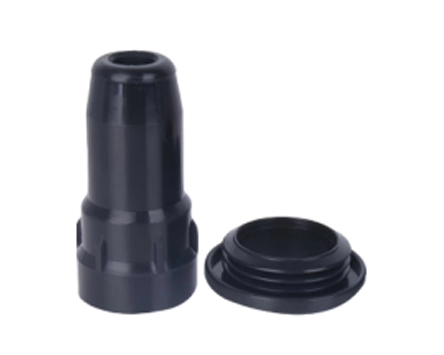
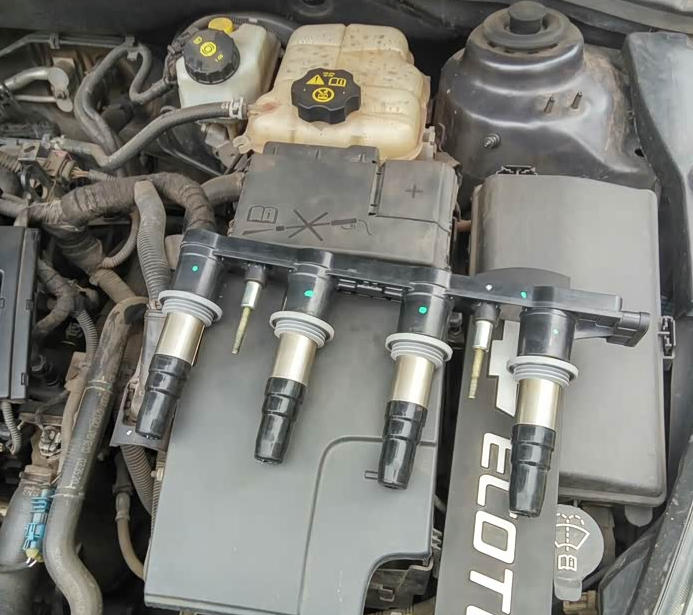
• Remove the rubber boot and check for cracks, hardening, or ablation marks.
• Pay attention to whether there is water accumulation or oil contamination in the spark plug well, as these can accelerate aging.
2. Nighttime Observation
• Start the engine and observe the ignition coil area in a dark environment. Blue arcing flashes indicate electrical leakage.
3. Spray Test
• While the engine is running, spray a small amount of clean water near the ignition coil rubber boot with a spray bottle. If engine vibration intensifies the insulation performance of the rubber boot has deteriorated.
4. OBD Scanner Diagnosis
• Read fault codes, such as P0301 (Cylinder 1 Misfire) or P0302 (Cylinder 2 Misfire).
5. Swap Test
• Swap the suspected faulty ignition coil (or rubber boot) with that of another cylinder. Check if the fault shifts accordingly.
1. Replace the Rubber Boot (Preferred Solution)
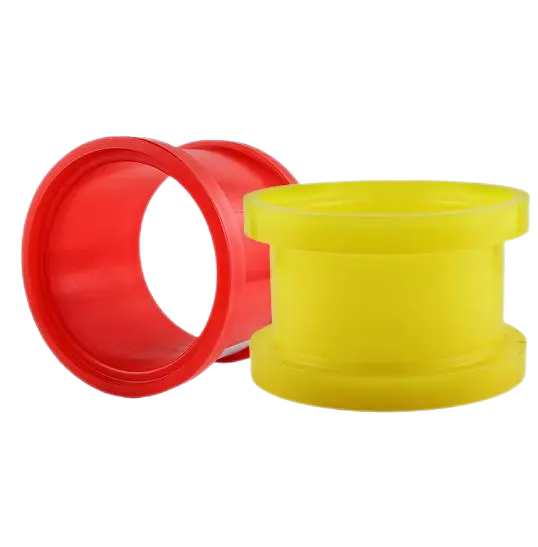
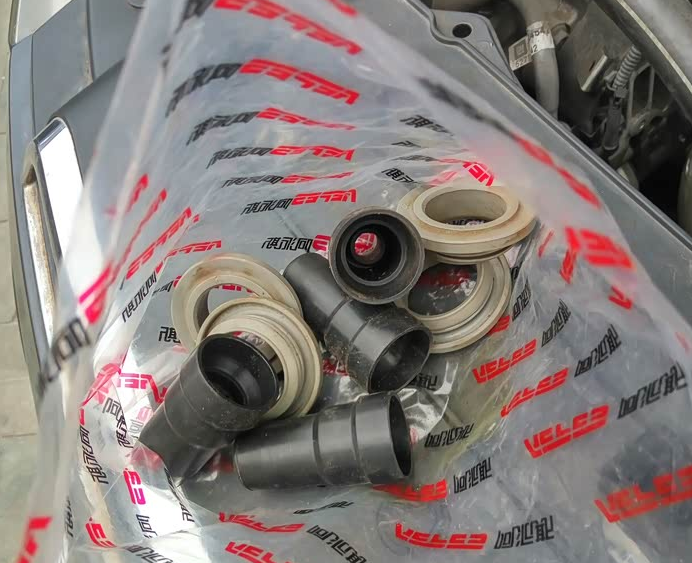
• Rubber boots are usually available as accessories for ignition coils or as standalone parts. They are low-cost, so direct replacement is recommended.
2. Clean the Spark Plug Well
• If there is oil contamination or condensation, clean it thoroughly; otherwise, the new rubber boot will also be prone to damage.
3. Inspect Spark Plugs
• Spark plug damage often accompanies rubber boot failure. Check the electrode gap and carbon deposit condition, and replace them if necessary.
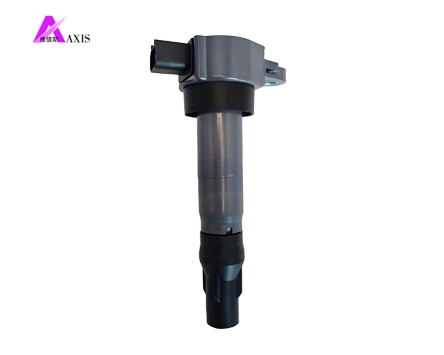
4. Inspect Ignition Coils
• If the rubber boot is severely aged, the ignition coil may be damaged by high-voltage breakdown and should be tested simultaneously.
5. Preventive Measures
• Use high-temperature and oil-resistant rubber materials (e.g., EPDM, VMQ silicone rubber).
• Regularly inspect the engine compartment to prevent water ingress and oil leakage.
• Check the ignition system every 40,000–50,000 kilometers.
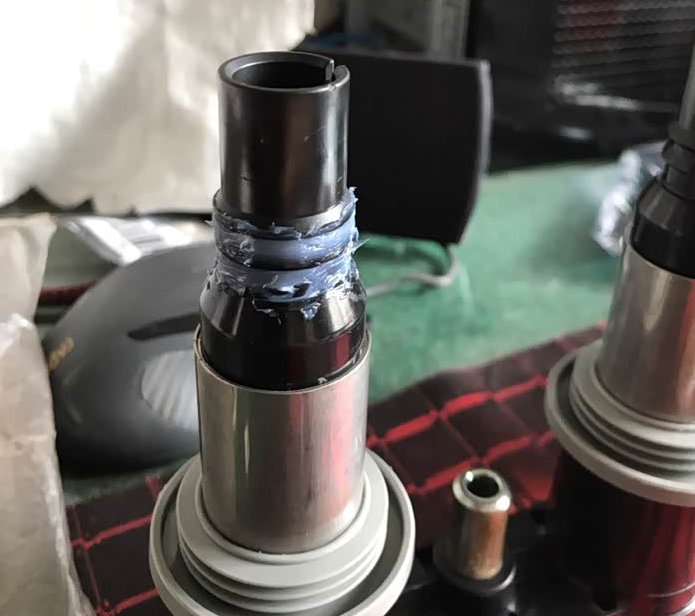
Engine vibration, illuminated Check Engine light, increased fuel consumption, and discharge in humid environments. Best practice: Confirm the fault via visual inspection/spray test/OBD diagnosis Replace the rubber boot → Inspect spark plugs and ignition coils simultaneously → Clean oil contamination/water accumulation in the spark plug well.